- Culture Corner
- Posts
- This is our culture corner. Your weekly Egyptian cultural compass.
This is our culture corner. Your weekly Egyptian cultural compass.

Mirna Abdulaal
June 04, 2025 • Reading Time: 11 minutes

Hey there,
This week started with a powerful storm that hit Alexandria on Saturday, bringing heavy rain, strong winds, and thunderstorms that caused major disruptions across the northern governorate. For climate experts, this kind of extreme weather isn’t unexpected. Alexandria has long been known as one of the cities most at risk from climate change, especially due to rising sea levels, coastal erosion, and increased flooding.
This edition of the newsletter is dedicated to exploring how we can better understand the natural environment around us, not just through science, but also through culture and everyday awareness. It is a reminder that climate change affects more than just data and forecasts; it shapes how we live, think, and interact with the world around us.
Warm regards,
Egyptian Streets team
The time and effort behind this newsletter come from the Egyptian Streets team of independent, grassroots journalists. By subscribing for just USD 1.66 per month (EGP 80), or as little as USD 0.84 per month (EGP 40) for students (paid annually), you’re directly supporting the creation of content like this and helping sustain independent media in Egypt.
Support our work and subscribe by clicking here.
Spotlight
Meet Nadine Khalifa, Artist and Designer

Sometimes we pass through a room and glance at the wall art without much thought. But other times, when we pause and really look, something shifts. We notice the details, the emotion, the story. It stays with us, stirs something within us, even if we didn’t expect it to. And this is exactly what Nadine Khalifa captures in her work; her art pieces do more than decorate a space, they spark a feeling and speak to each person in their own way. Discover her work here.
Speaking to Egyptian Streets, Nadine Khalifa shared more about her cultural picks and work below:
What routines or rituals help spark your creativity?
I set my speakers high, put my music on, and get lost in the painting. I always begin by collecting the keywords first, then I sketch, and finally I turn it into a painting.
How did you come to develop your unique artistic style?
When I first started painting, I visited a lot of galleries and looked at many artists online to get inspired and learn different techniques. But with time, my own style happened naturally. I focus on making each piece vibrant, playful, and fun. And I always include a signature bird - that’s my symbol.
Are there particular emotions that guide or influence you while painting?
Yes, I always focus on happy emotions; joy, fun, love, family, friends. You’ll never see me painting something dark or deep. My paintings are always light and happy, and that’s exactly what I aim for.
Is there a project that holds special meaning for you, and why does it stand out?
Yes, one of my favorites was a painting I did based on a 4-year-old girl’s imagination. It reminded me how magical and pure art can be when it’s driven by a child’s mind. It was full of joy and creativity, and I loved that.
Feature
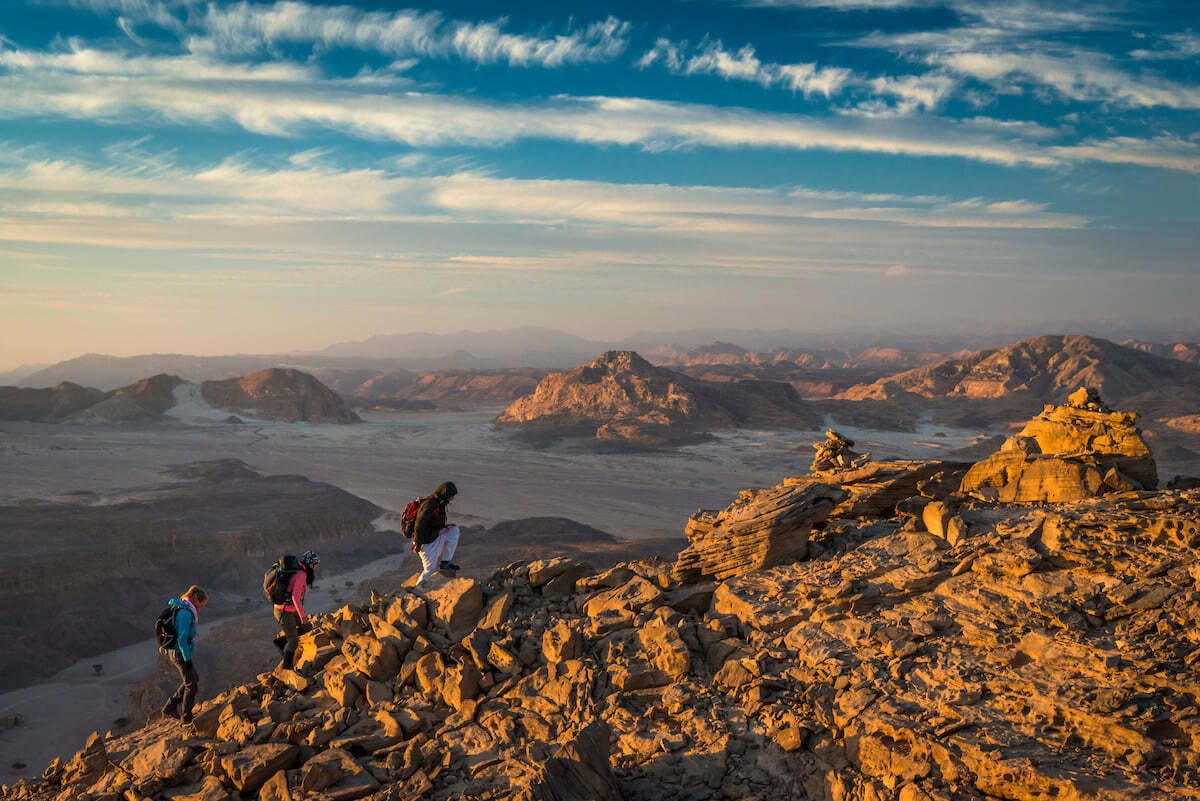
“We Don’t Celebrate Rainfall Like Before”
Rain was once a reason to celebrate. But now, it’s a warning sign of danger and destruction.
Though the Bedouins possess extensive knowledge of the desert ecosystem, developed over generations of living in harmony with nature, climate change has disrupted their way of life, making rainfall unpredictable and leading many to relocate to urban areas.
Bedouin guide Musallam Faraj emphasizes the need for their voices to be included in climate conversations, criticizing the commercialization of climate solutions that often overlook local insights. He advocates for the preservation of Bedouin knowledge through initiatives like the Sinai Trail and aspires to establish a Bedouin school to pass on this heritage to future generations.

A Tale of Conservation of Egypt’s Desert Plants
Gabriel Mikhail’s documentary, The Desert Gardener, tells the story of an individual who has spent years collecting seeds from endangered desert plants to establish a seed bank, aiming to preserve Egypt’s rich botanical heritage.
Egypt’s desert ecosystems face threats from climate change, reduced rainfall, overharvesting of medicinal plants, and unsustainable development. Despite these challenges, the lecturer has cultivated a diverse garden along the Red Sea coast, showcasing a variety of native plants and serving as a living repository for species that are disappearing from the wild.
What to Read

Egypt in a 100 Years
The anthology, Egypt +100: Stories from a Century after Tahrir, edited by Ahmed Naji, features twelve speculative fiction stories by Egyptian writers, envisioning the country's state in the year 2111, a century after the 2011 revolution.
The anthology delves into themes such as environmental degradation, technological dominance, and the erosion of natural experiences. For instance, Azza Sultan’s story, “The Sky Room,” portrays a future where artificial skies replace natural ones, and simple pleasures like watching clouds become relics of the past. Similarly, Michel Hanna’s “Encounter with the White Rabbit” explores the consequences of climate change, depicting submerged cities and mass migrations.
Fact-based news without bias awaits. Make 1440 your choice today.

Overwhelmed by biased news? Cut through the clutter and get straight facts with your daily 1440 digest. From politics to sports, join millions who start their day informed.
What to Listen To

Khesert El Sha3 by Wegz
In his latest single, "Khesert El Sha3b," Egyptian rapper Wegz boldly distances himself from mainstream expectations, where he openly declares a departure from catering to "el sha3b" (the people), choosing instead to pursue his own creative path. The song's minimalist production, characterized by crisp hi-hats and subtle drum loops, complements Wegz's new authentic direction.


What to Watch
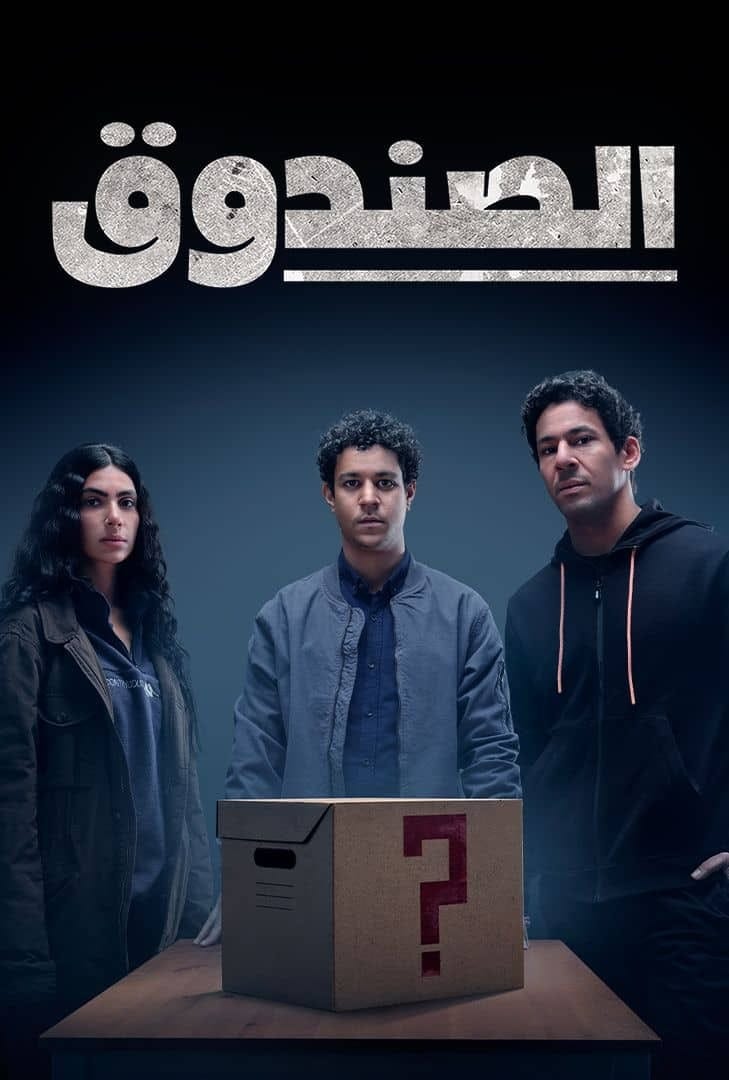
Mystery Box
You might think detective movies are just fiction, but the skills they highlight, like observation, critical thinking, and curiosity, can be surprisingly useful in everyday life.
If you’re in the mood for a new detective film, Mystery Box is worth checking out. It follows three friends who receive a mysterious package filled with clues tied to past murders, launching them into an unexpected investigation that tests their instincts and bond.
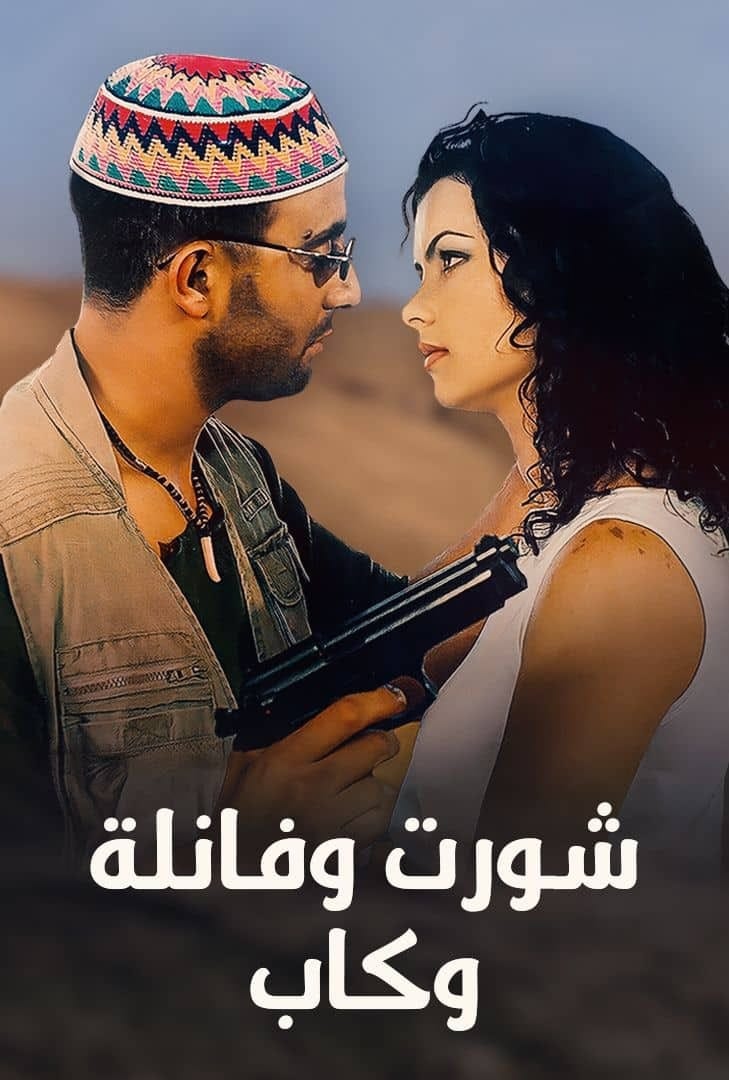
Short w Fanelah w Cap
Following the story of three friends working in Sharm El-Sheikh, the plot unfolds when Khaled (played by Ahmed El Sakka) helps a Lebanese girl named escape from her father, an Arab minister, who refuses her marriage to the man she loves. As the story develops, it leads to a series of events that test the friends' loyalty and explore the challenges of love, freedom, and self-discovery.
What to Eat

Fizza
Spontini is a famous pizzeria in Milan, Italy, known for its large, generously topped pizza slices. They are famous for pan-frying their pizzas in a heavy skillet, creating a unique texture: a soft, fluffy top and a crispy, crusty base. If you’re looking to try this specific pizza, then check out Fizza in New Cairo for an experience that you will certainly not forget.
What to Visit
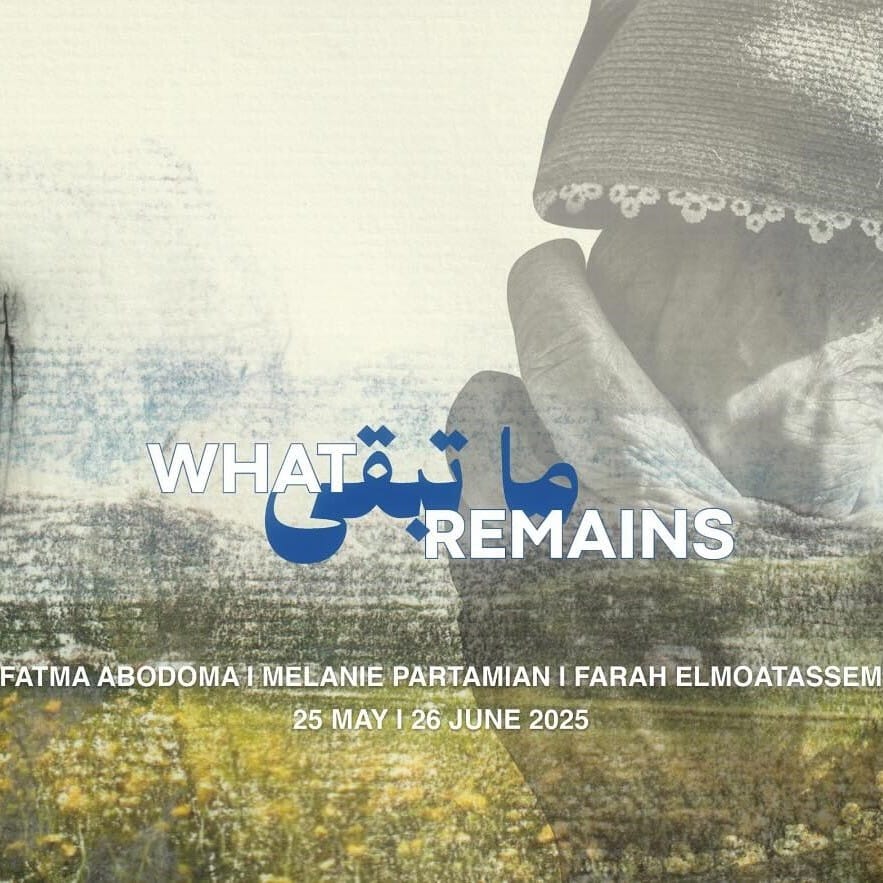
What Remains Exhibition
“What Remains?” brings together three artists whose practices are rooted in personal geographies and fractured archives. Traversing memory, identity, and place, the exhibition unfolds across three interwoven realms: the constant, the transitional, and the reimagined.

The Choice IV
Liwan Art Gallery presents the fourth edition of its annual summer showcase, The Choice IV, a thoughtfully curated selection of works by standout contemporary artists. The exhibition runs through 31 July 2025, open daily from 11 AM to 8 PM (closed on Fridays).