- Culture Corner
- Posts
- This is our culture corner. Your weekly Egyptian cultural compass.
This is our culture corner. Your weekly Egyptian cultural compass.

Mirna Abdulaal
June 18, 2025 • Reading Time: 13 minutes

Hey there,
We hope you can spare just a few moments, or even just a few seconds, to pause amidst the world’s noise and reconnect with what truly warms your heart. Whether it’s through the beauty of poetry or the simple comfort of something like Egyptian cotton.
Speaking of Egyptian cotton, it’s impossible to separate it from Egypt’s very identity. You might say that at the heart of Egypt, you’ll find cotton. It symbolizes the Egyptian spirit; soft and gentle on the surface, yet if you listen closely to its story, you’ll discover a tale of resilience and strength. Cotton has weathered countless challenges, growing stronger through them all. In many ways, its journey mirrors that of every Egyptian.
Warm regards,
Egyptian Streets team
The time and effort behind this newsletter come from the Egyptian Streets team of independent, grassroots journalists. By subscribing for just USD 1.66 per month (EGP 80), or as little as USD 0.84 per month (EGP 40) for students (paid annually), you’re directly supporting the creation of content like this and helping sustain independent media in Egypt.
Support our work and subscribe by clicking here.
Spotlight
Meet Karen Zardalian, El Gouna’s Artist

From a distance, El Gouna might appear as a soft beige canvas, almost meditative. There is a stillness in its muted tones, especially as they contrast with the lush greens of palm trees and the deep blues of the Red Sea. Through Karen Zardalian’s art, that palette comes into focus. Her work invites you to truly see El Gouna’s colors, not just as a backdrop, but as a character of its own. Discover her work here.
Speaking to Egyptian Streets, Karen Zardalian shared more about her cultural picks and work below:
What routines or rituals help spark your creativity?
I genuinely consider myself incredibly fortunate, and my surroundings play a huge role in igniting my artistic spirit. Moving to El Gouna in 2019 wasn't just a change of scenery; it was a profound renewal of my love for Egypt, deepening an already strong connection. The architecture, the breathtaking landscapes, the very essence of this country—it's all incredibly inspiring. So, my most potent creative rituals often involve simply stepping outside. Whether it's a leisurely stroll around my home, wandering through the charming streets of El Gouna, or venturing out to explore Egypt's less-trodden paths and hidden gems, these experiences consistently spark new ideas and refresh my perspective. There's an undeniable magic in discovering the subtle nuances of beauty that often go unnoticed, and that discovery fuels my artistic drive.
How did you come to develop your unique artistic style?
My artistic journey began very early on, thanks to my incredible influences: my dad, who is an interior designer, my mother who's originally an architect and my grandmother, a talented painter. They truly ignited that initial spark within me. As I grew, it became clear that discovering one's own artistic style isn't a destination but a continuous expedition. It's a deeply personal path of self-discovery that I'm still very much on. However, I can confidently say that the more I paint, the more I learn about myself, about what truly resonates with me, and how best to express that on canvas. Each brushstroke is a step further into understanding my own unique artistic voice.
Are there particular emotions that guide or influence you while painting?
Absolutely! One of the primary emotions that propels me forward when I'm creating is sheer excitement. Often, when I begin a piece, I don't have the full picture meticulously planned out in my head. That sense of anticipation and eagerness to see how it will unfold is a powerful guide, pushing me to complete the artwork because I'm genuinely curious about the final result. It's like embarking on an adventure without a precise map, trusting that the journey itself will reveal the destination. Another significant influence stems from my role as an art teacher. Knowing that I have the incredible opportunity to guide younger individuals and share what I've learned provides an extra layer of motivation. It's about more than just personal creation; it's about fostering creativity in the next generation, ensuring our students gain knowledge and feel empowered to express themselves. That responsibility gives my own artistic pursuits an even deeper purpose.
How do you express the essence of Egypt through your art?
Egyptian culture and architecture are, in my eyes, among the most exquisite things one could ever witness. If you truly take the time to observe, from the vibrant energy of El Gouna to the timeless charm of Fayoum and the bustling beauty of Cairo, beauty is all around. Having the chance to showcase that inherent beauty through my art is not just an honor, but a true privilege. A cornerstone of my inspiration is the iconic Egyptian architect, Hassan Fathy, often revered as "the architect of the poor." His philosophy and designs deeply resonate with me, and I'm a tremendous admirer of his work. His understanding of local materials, traditional techniques, and the human element in architecture truly informs my artistic interpretations of Egyptian spaces.
Is there a project that holds special meaning for you, and why does it stand out?
Every single project I take on holds a special place in my heart. There isn't a single piece that isn't imbued with intention and care. However, recently, a particular type of commission has resonated deeply with me. In recent weeks, I've had several clients approach me, requesting paintings of their homes. They want to carry these pieces with them as they travel abroad, a tangible memento of their time here, or simply keep them as cherished souvenirs. Being able to capture the essence of their homes, creating a visual representation of a place filled with memories, is incredibly rewarding. It’s a wonderful feeling to know my art provides that sense of connection and belonging, no matter where they are in the world.
Feature

The Journey of an Egyptian Cotton T-Shirt
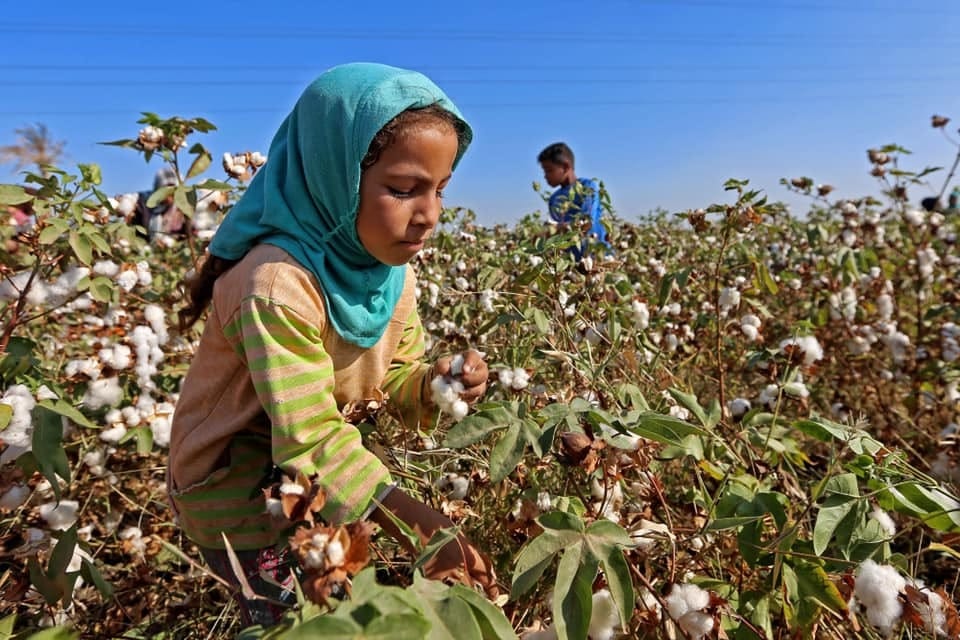
Mentioning “Egyptian Cotton” instantly brings to mind luxury and softness. However, the hard work and dedication behind every phase of its production are often overlooked. After a season of growth and shedding its tough outer shell, the humble cotton seed transforms into the fluffy, prized fiber that Egyptians call “white gold.” It is a beautiful reflection of nature’s cycle; one that feels familiar and close to many of us.
Stunning Shots of Cotton Crop Harvest
The joy that cotton brings to people worldwide can’t simply be counted by sales figures. While the quality of a product is often judged by its price or numbers, its true value lies in the emotions it inspires and the happiness it spreads, not just to those who use it, but also to the farmers who cultivate it. If there were a way to measure happiness, cotton would likely top the list.
What to Read
How Textiles Made the World
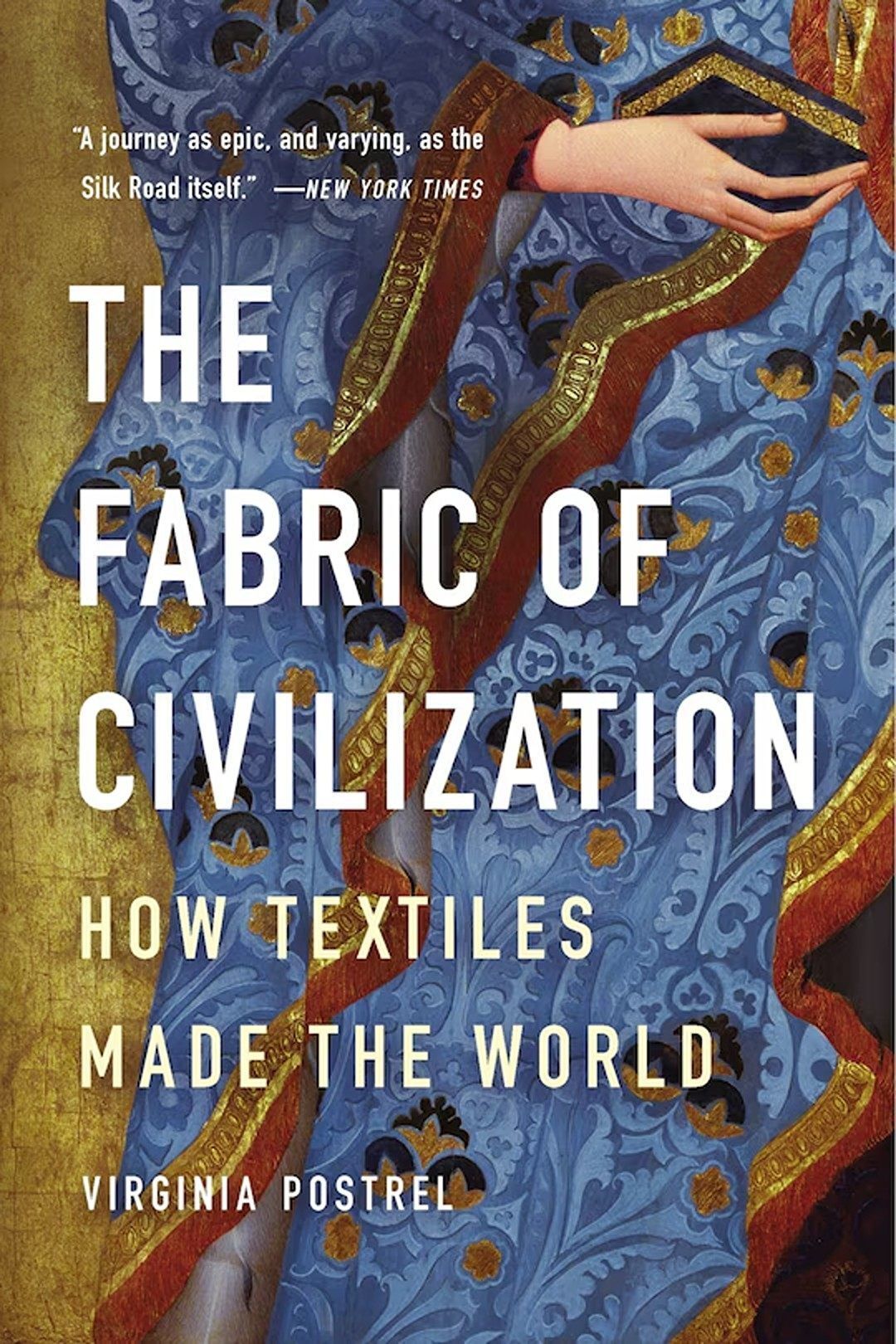
The story of people is really the story of fabric. Ever since the first thread was spun, textiles have been shaping how we live, work, and connect. The cloth trade helped spread writing and math, pushed forward science, and even inspired the way we think about computers today. And in this book, all of this history is explained and retold to highlight just how important fashion really is.
Fact-based news without bias awaits. Make 1440 your choice today.

Overwhelmed by biased news? Cut through the clutter and get straight facts with your daily 1440 digest. From politics to sports, join millions who start their day informed.
What to Listen To

ICE by Faouzia
Called “one of the most powerful new voices you’ll hear this year,” Moroccan-born, Los Angeles-based singer-songwriter Faouzia is definitely someone to watch. In her single ICE, she draws from her time in China to tell a story about that chilling numbness you feel when all emotions just shut down. When it seems like there’s no way out, you start to find a strange comfort in the emptiness and coldness surrounding you.


What to Watch

Hekayat Banat
If you’re looking for a heartfelt drama that dives into the lives and challenges of young women today, "Hikayat Banat" is a great pick for your weekend watch. The series follows the journey of four girls fresh out of college as they navigate family relationships, friendships, love, and the pressures of society. It explores real-life issues that many young people face, making it relatable and emotional.

Migration and Memory in Short Film ‘Patience’
Migration has long been a central theme for North African artists, echoing the lived experiences of displacement, longing, and reinvention. Since the days of icons like Rachid Taha and Cheb Khaled, who fused Algerian raï with punk, rock, and electronic sounds in France, migration has not just been a reality, it’s been a creative force. Today, artists like DJ Snake carry that legacy forward, with the release of his short film Patience. In just 11 minutes, it beautifully explores themes of migration, memory, and identity, showing how culture travels across borders and how music becomes a thread connecting people through distance and time.
What to Eat

Must-Visit Taco Spots in Cairo
Summer is all about tacos and something cold in your hand. Picture yourself sipping an ice-cold drink while biting into a perfectly crunchy taco. It’s the kind of simple pleasure that just hits different in the heat.
What to Visit
BeNative x 1980's 'Native Sips'
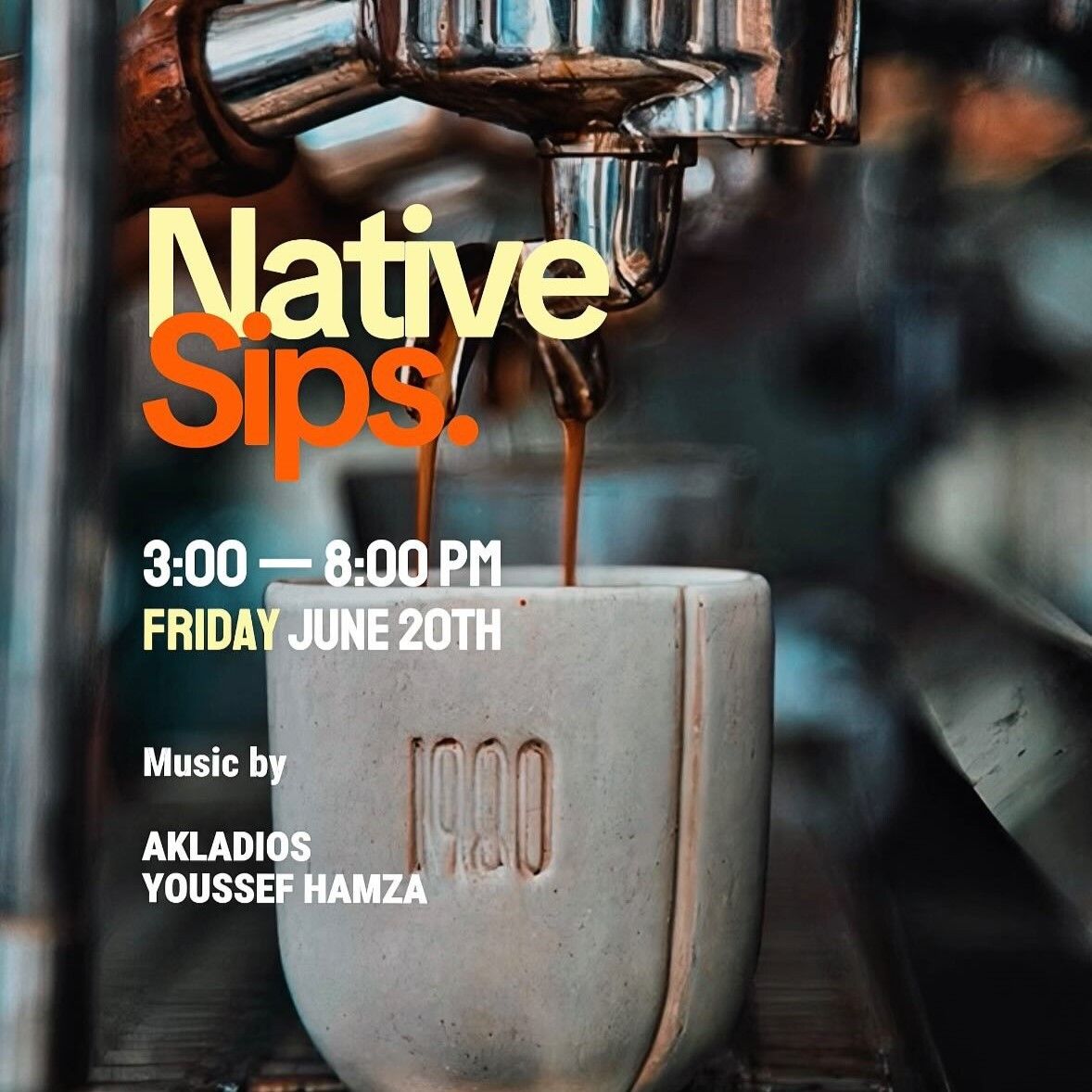
Blending coffee and fashion, Be Native is teaming up with 1980 and Galleria40 for an exclusive event, Native Sips, happening on Friday, June 20th, from 3 to 8 PM at Galleria40 in Sheikh Zayed. The event brings the community together for the launch of Be Native’s Summer ’25 Collection: DROP THREE—featuring never-before-seen designs and bold new details revealed for the first time.

Every Brilliant Thing
Every Brilliant Thing is an interactive play that celebrates the little joys in life. Written by Duncan Macmillan, it became internationally known for its honest and humorous take on mental health and resilience. Now adapted and directed by Ahmed El Attar, the play has been translated into Arabic as part of a project to bring modern European theatre to Arabic-speaking audiences.