- Culture Corner
- Posts
- This is our culture corner. Your weekly Egyptian cultural compass.
This is our culture corner. Your weekly Egyptian cultural compass.

Mirna Abdulaal
July 23, 2025 • Reading Time: 17 minutes

Hey there,
We hope life’s treating you gently, and that you’ve carved out a little time to sit under the sky this summer. There’s magic in those late afternoons, when doing nothing at all becomes the most beautiful thing: no music, no scrolling, no need to fill the silence. Just you, the summer breeze, and your thoughts.
And while you're sitting with your thoughts this summer, we wanted to nudge all the aspiring writers and deep thinkers out there, as this one’s for you. We're inviting you to take part in our 2025 writing competition, Timeless Tales: Egypt’s Cultural Heritage Writing Competition, held for the first time in collaboration with FairTrade Egypt.
Because to write well is to think deeply. So if you find yourself beneath the summer sky, in one of those quiet moments of stillness, try letting your thoughts drift into story. We’re looking for personal, first-person narratives that bring Egypt’s cultural heritage to life, whether through the lens of Ancient Egypt, Coptic, Islamic, or Jewish traditions, or through the everyday magic of music, crafts, literature, performance, or sacred places. We want to hear your story.
Hope you enjoy the read, and have a wonderful weekend!
Warm regards,
Mirna Abdulaal
The time and effort behind this newsletter come from the Egyptian Streets team of independent, grassroots journalists. By subscribing for just USD 1.66 per month (EGP 80), or as little as USD 0.84 per month (EGP 40) for students (paid annually), you’re directly supporting the creation of content like this and helping sustain independent media in Egypt.
Support our work and subscribe by clicking here.
Spotlight
The Cultural Lens of Jannah Abdellatif
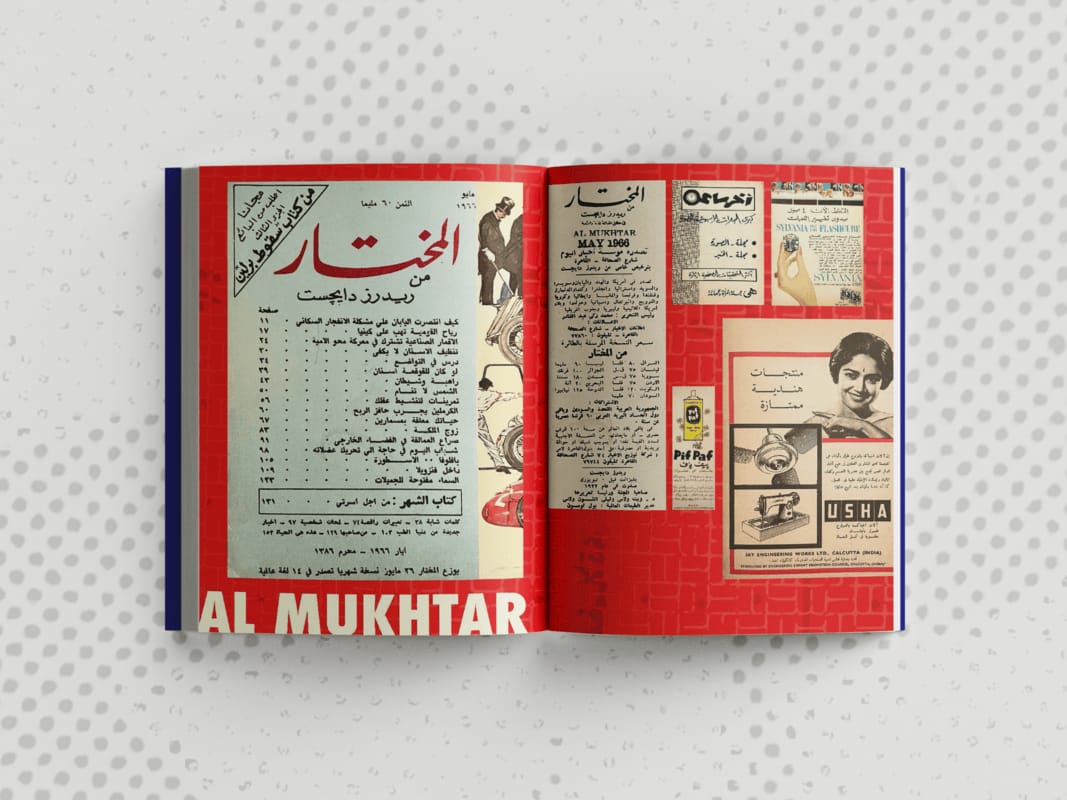
When your inspiration is rooted in culture, it carries many layers. Sometimes, it’s about seeing the beauty in tradition; other times, it’s about memory, honoring what came before and finding ways to carry it forward. But the heart of all cultural storytelling is a desire to remember who you are, where you come from, and to explore your roots with depth and care, not just as something to borrow. For designer Jannah Abdellatif, this means embodying identity in an honest, reverent way, one that pays tribute to the generations who came before us, and the cultural legacy they’ve left behind, still breathing through us today. Discover her work here.
Speaking to Egyptian Streets, Jannah Abdellatif shared more about her cultural picks and work below:
What routines or rituals help spark your creativity?
I have a pretty big collection of ephemera, I love collecting pamphlets, postcards, random bits of printed paper, and old books. Whenever I start a new project, I like to go through them and draw inspiration from their typography, layouts and textures. It helps me think about how I can reapply those elements in new ways.
How did you come to develop your unique artistic style?
I’m a third culture kid, originally from Egypt but raised in both Australia and the UAE. That fusion really shaped the way I design, especially when it comes to blending Arabic and English. I’d describe my style as maximalist as I love combining bold typography contrasted with layered textures.
How do you express the essence of Egypt through your art?
I absolutely love old Egyptian graphic design and I’m always trying to emulate the charm and quirks it carries. Whenever I visit Egypt, I make sure to explore the markets and collect anything I can find like old packaging, books and posters. I’m also really inspired and influenced by modern Egyptian designers and studios like 40mustaqel, Rizo Masr, and Cairopolitan.
Is there a project that holds special meaning for you, and why does it stand out?
My Fayoum branding concept is a project that means a lot to me. After visiting Fayoum and the Tunisian Village, I completely fell in love with the place. I wanted to design branding that captured the soul of the area and its people. The patterns I created were based on the architecture and motifs I kept seeing everywhere, and I made the system modular so it could be used in a variety of ways. I also designed it to complement the rebrands for Luxor and Aswan, while still making sure it had its own distinct identity.
Writing Competition
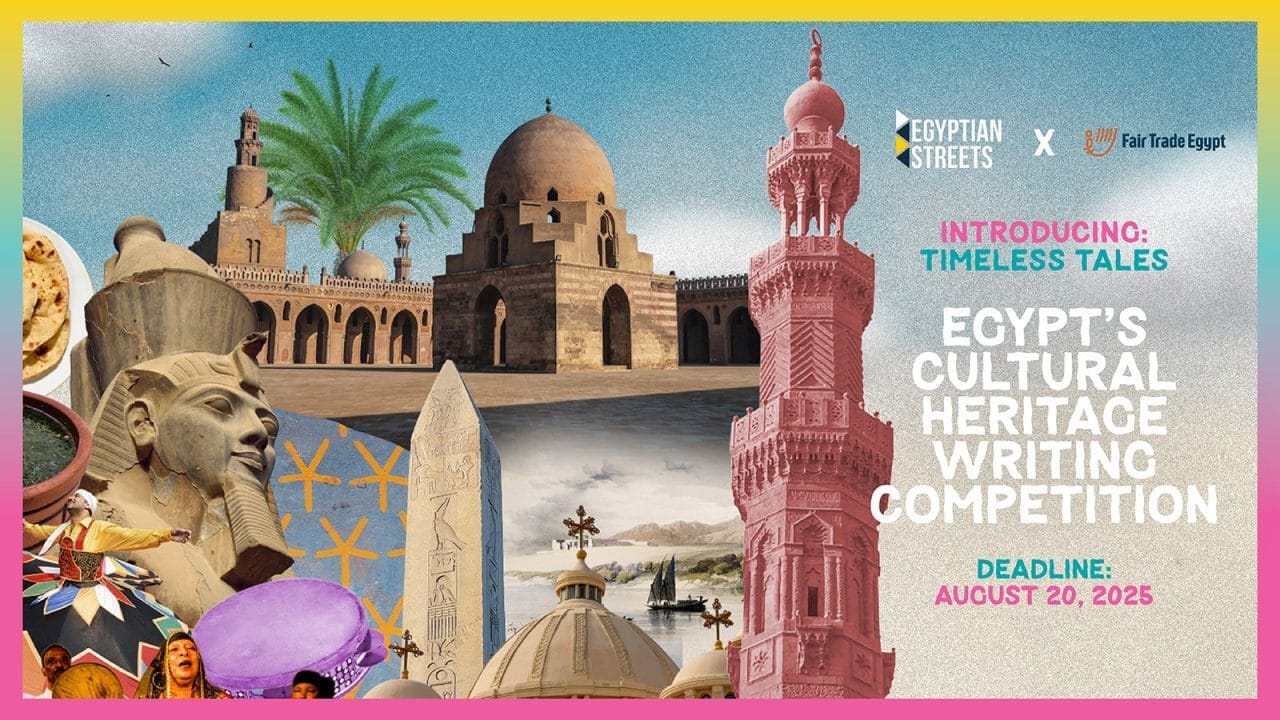
2025 Writing Competition “Timeless Tales”
If you've got a tale to tell about exploring historical sites, attending a performance, or even discovering hidden artisan crafts, we’re all ears! The top three winners will get vouchers from FairTrade Egypt, which can be used to pick out some truly beautiful handcrafted pieces, such as embroidered shawls, unique jewelry, and gorgeous pottery. These items not only showcase the talent of Egyptian artisans, but also FairTrade Egypt’s commitment to ethical, eco-friendly craftsmanship.
The top 10 submissions will be featured on Egyptian Streets, giving writers the chance to showcase their stories to a broad audience. To enter, just send your submission to: [email protected]
Deadline: August 20, 2025
If you have any questions, feel free to reach out to us at [email protected] or [email protected].
Feature
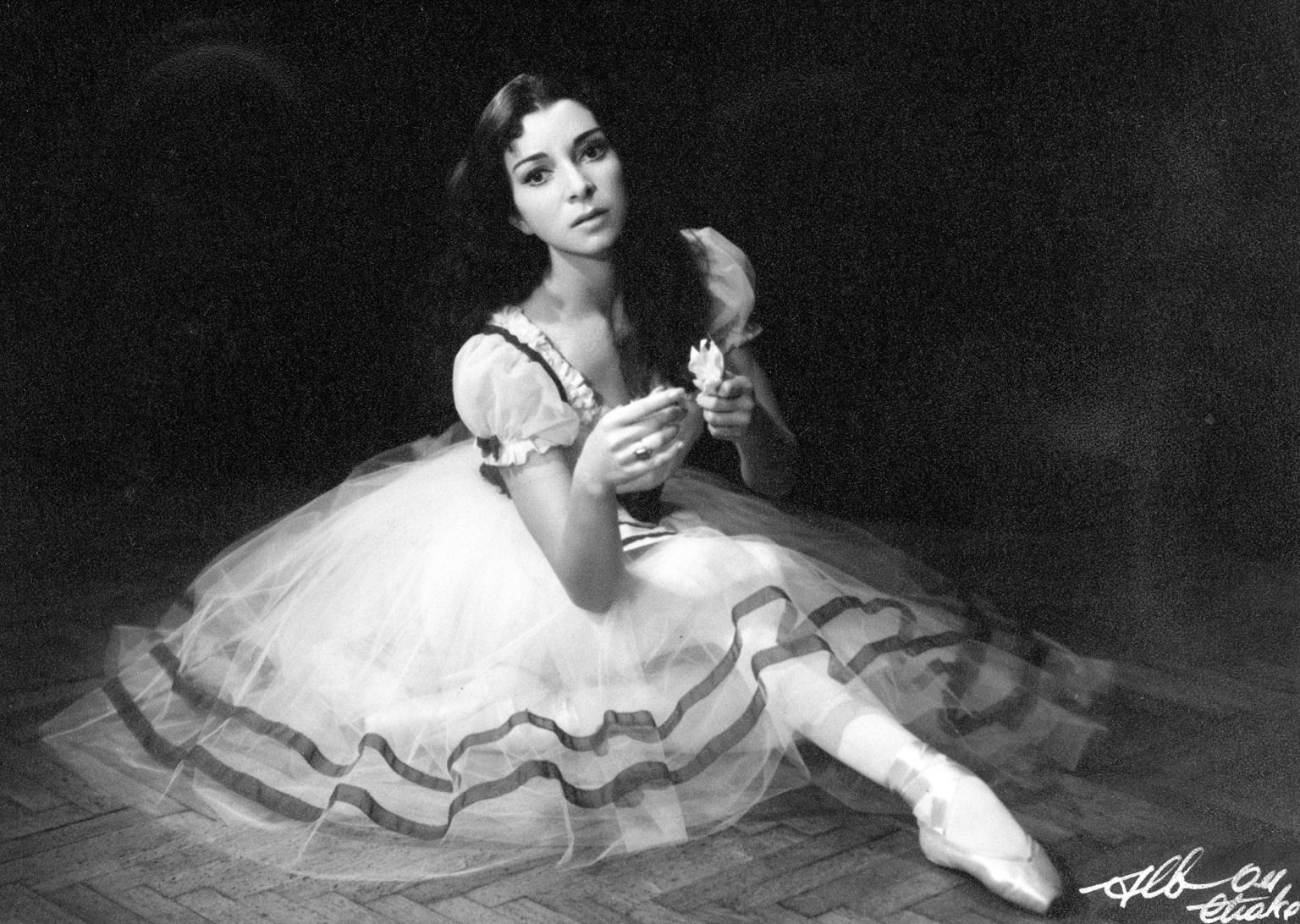
An Ode to the Ballerina Who Held Egypt’s Soul
Ballet is a delicate, expressive art that doesn’t only carry echoes of European heritage, it carries Egyptian heritage, too. This was embodied by Magda Saleh, Egypt’s very first prima ballerina, who brought classical ballet to life on Egyptian soil. Her journey in the 1960s marked a pivotal cultural moment, when Egypt embraced ballet not as a foreign art form, but as something that could be reinterpreted, owned, and rooted in its own cultural identity.
Ballet flourished in Cairo during Egypt’s post-revolutionary golden age of state-backed arts. Institutions like the Cairo Opera House, which Saleh later helped direct, became symbols of national sophistication and creativity. However, this momentum faced serious setbacks over the decades: the 1971 burning of the original Opera House, political shifts, reduced funding for the arts, and waning institutional support all posed challenges to ballet’s survival.
Despite this, the art form persisted, carried forward by dedicated dancers, choreographers, and educators who continued to nurture its presence against the odds. Today, ballet in Egypt exists as a layered expression: one of elegance, struggle, memory, and movement.

The Pen is Mightier Than the Sword
In Egypt, where the pen’s ink alone can ignite backlash, Egyptian cartoonist Doaa El Adl walks a careful, courageous line. In a time when voices are quieted and truths pushed aside, her art cuts through the noise with sharp honesty and a touch of mischief. It holds space for the things we can’t always say, such as the thoughts, emotions, and questions that often vanish under the weight of power. But perhaps what's more important about her legacy is that it reminds us that art is, more than anything, a safe space for the unspoken, a lens for the overlooked, and a bold message for anyone who’s ever felt unheard.
Some of Doaa El Adl’s most striking cartoons speak volumes without saying a word: a man’s beard silencing a woman’s mouth, a mother weighed down by groceries and children, or a Gulf man gleefully circling a trolley filled with underage Arab girls in a disturbing nod to child marriage. “The topics that I like to draw are biased, some artists draw inspiration from daily events, capturing a reaction and then there are cartoonists who have their own bias and who draw topics related to their everyday work,” she says.
She cares about the people we don’t see on TV. The ones never in the spotlight. Those who aren’t polished or powerful, but the workers, the poor, and the middle class that’s slowly disappearing. She cares about women, not as flawless beings, but as humans who deserve their rights. And children too, who are still unprotected by laws that fail to shield them from abuse at home.
What to Read

The Storytelling World of Naguib Mahfouz
If you’ve ever wanted to think as deeply as Naguib Mahfouz, or truly understand how intricately he saw and portrayed Egyptian life, then this book is for you. It’s a close, thoughtful look at Mahfouz’s storytelling, putting his work “under the microscope” to explore how he built his literary worlds. From the structure of his plots to the symbols he used, the language he chose, and the characters he brought to life, this study breaks it all down. It invites you into Mahfouz’s mind so that you can develop a deeper appreciation for the layers behind his words and the cultural depth he captured so masterfully. This is the story of how one man turned everyday Egyptian life into profound literature.
What to Listen To

Saat Saat by Sabah
Sabah, the legendary Lebanese singer and actress, was like sunlight in human form. Radiant, bold, and full of life, she lit up every room she walked into. But beyond the glitz and glamour, Sabah was a complex, multi-faceted woman. She lived loudly and unapologetically, which brought her plenty of criticism, especially for her many relationships and her bold, outspoken nature. Still, she never let it dim her light. What defined her most wasn’t the controversy, but the way she carried herself: always with her head held high, her smile brighter than ever, and a voice that only grew stronger, more powerful, and more unforgettable with time.


What to Watch

Livestream
In a world where social media dictates so much of our lives, from how we see ourselves, how we interact with others, and even how we measure success, we don’t often talk about the dark side of online fame. While influencers are celebrated for their reach and lifestyle, we rarely explore the pressure, the surveillance, and the performative nature of always being watched.
This Arab thriller asks urgent questions: What happens when your digital persona becomes a prison? How far would you go to stay relevant, or to survive? It tells the story of a group of social media influencers that are kidnapped by an anonymous figure who forces them to obey his orders in a live broadcast, offering them freedom only if they comply.

Catalog
Youssef is your typical corporate workaholic, until life throws him a curveball. After his wife Amina passes away, he suddenly finds himself in charge of raising their two young kids on his own. But the plot twist is that Amina used to run a super popular parenting YouTube channel called Amina’s Catalog. Feeling totally lost, Youssef starts watching her old videos for practical tips and a sense of comfort and connection. The result is a heartfelt, relatable journey that clearly struck a chord with viewers, as it shot straight to the Top 10 on Netflix in Egypt within days of its release.
What to Eat

American Comfort Meets Asian Flavors
As the country’s first “Asian‑American diner”, blending typical diner dishes with bold Asian‑style sauces and toppings, SAUCE serves American classics like burgers, hotdogs, waffles, and pancakes, but each dish invites an Asian fusion twist through a wide palette of sauces, from honey-sriracha and truffle mayo to sriracha aioli.
What to Visit

Tablet El Sit
Ever feel like you just need to hear something that speaks to your roots? If you're in that mood, let us put you on to Tabala El-Set (The Woman’s Drum Band). Founded by Soha Muhammad Ali back in 2019, this all-women powerhouse blends Egyptian folk songs and dance with an electric spirit that’ll get under your skin, in the best way.

Miami-inspired Beachfront on the North Coast
If you're someone who loves having a go-to spot for summer but doesn’t always want to make the trek to Miami, there’s a place you need to know about, and that is June in the North Coast. From crystal-clear waters to an easy, breezy vibe that makes you feel like you’ve found your own little slice of paradise, it’s got a Miami-esque charm with lush landscapes, but with a totally unique twist. So if you’re craving a spot that’s a bit of an escape without the Miami price tag, June might just be your perfect summer home.
Saudi Spotlight

A Go-To Café for Great Brews and Hustle and Bustle in Riyadh
Nestled in one of Riyadh’s most coffee-loving neighborhoods, Atmosphere Specialty Coffee lives up to its name. It’s a lively, inviting spot where great brews meet a welcoming community vibe. With its bright, airy interior, plants adding a touch of greenery, and a clean, modern design, the cafe strikes the perfect balance between minimalist and cozy. Unlike many of Riyadh's newer spots that can feel a bit too clinical, Atmosphere keeps things open and laid-back, even when it’s buzzing during peak hours. And it definitely gets busy.
On weekday mornings, it’s a hotspot for freelancers and early risers, all busy with laptops in hand and a cortado or V60 in tow. As evening rolls in, the place turns into a social hub, with a line of people ordering and waiting for a table. When the weather’s nice, the outdoor seating is a draw, with regulars sipping coffee and enjoying the fresh air. As for the coffee, the menu is simple yet satisfying.
Whether you’re in the mood for a classic espresso (11 SAR), a creamy flat white (16 SAR), or a sweet Spanish Latte (19 SAR), the prices are definitely on the more affordable side for Riyadh’s specialty coffee scene. For non-coffee lovers, their matcha (22 SAR) is worth a try. Plus, with different beans on rotation, it’s a great spot for those who like to mix things up.