- Culture Corner
- Posts
- This is our culture corner. Your weekly Egyptian cultural compass.
This is our culture corner. Your weekly Egyptian cultural compass.

Mirna Abdulaal
July 02, 2025 • Reading Time: 12 minutes

Hey there,
We hope you're doing well, and that you didn’t feel even a tiny bit guilty about your morning coffee today. With everything going on, the last thing we need is another finance guru telling us to cut out life’s small pleasures. Go on, enjoy that indulgence…guilt-free.
This week, we’re switching things up with a lighter, local spin. Inspired by the classic ‘What would...do?’ question, we’re asking: What would Umm Kulthum do? Because let’s be honest, our past never really left us, and revisiting it through this playful lens feels like a sweet reminder of our heritage.
So, here’s the question we’re pondering: Would Umm Kulthum like Egyptian hip hop? We think she just might. After all, she was always fiercely proud of her roots, and what’s more local, more raw, more now, than Egypt’s rising hip hop scene?
Warm regards,
Mirna Abdulaal
The time and effort behind this newsletter come from the Egyptian Streets team of independent, grassroots journalists. By subscribing for just USD 1.66 per month (EGP 80), or as little as USD 0.84 per month (EGP 40) for students (paid annually), you’re directly supporting the creation of content like this and helping sustain independent media in Egypt.
Support our work and subscribe by clicking here.
Spotlight
Painting Emotion: The Abstract Heart of Zeina Badran’s Work
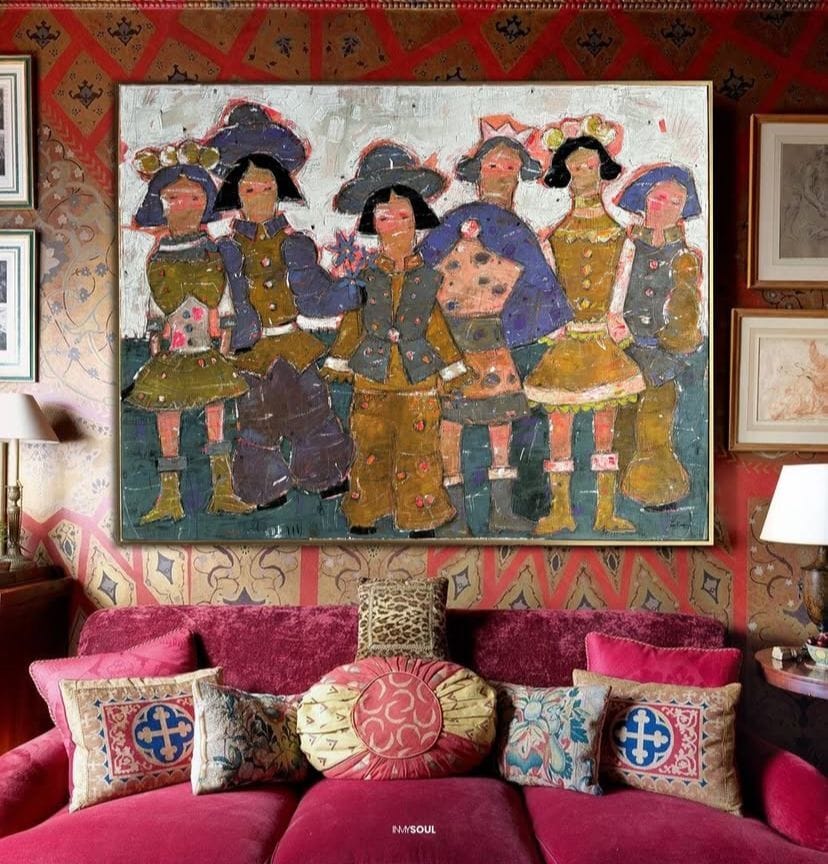
Some artists capture the visible world; the scenes and shapes we all recognize. But Zeina Badran paints what can’t be seen: emotion, spirit, and the intangible layers of human experience. Translating the invisible onto canvas is no easy task, but for Zeina, the approach is instinctive, she paints with feeling, letting her brush lead the way. Her work moves beyond the literal, stepping away from how we typically see people or reality, and instead dives into the unspoken, the emotional, and the unseen connections that live beneath the surface. Discover her work here.
Speaking to Egyptian Streets, Zeina Badran shared more about her cultural picks and work below:
What routines or rituals help spark your creativity?
My creative process usually begins with a cup of coffee and my favorite TV series playing in the background (often muted), just to keep me company. It creates a familiar and comforting atmosphere that helps me ease into painting without pressure. I also keep a journal nearby; not necessarily for sketching, but to write down fragmented thoughts, colors, dialogues, or visual impressions that might later evolve into ideas on canvas. It’s less about waiting for inspiration to strike and more about creating the right environment for it to show up. These quiet rituals help me settle into myself and make space for something meaningful to emerge.
How did you come to develop your unique artistic style?
My style grew organically from years of experimenting and an inner need to represent more than just form. I wanted to convey presence, dialogue, and emotion. Studying Architecture and Urban Design trained my eye to observe structure and composition, but painting gave me the freedom to break away from precision. Over time, I found myself drawn to bold figurative forms and contrasting textures, and I began using colors not just for aesthetics, but as emotional cues. My figures often exist in quiet tension or unspoken connection, which has become a signature theme in my work.
Are there particular emotions that guide or influence you while painting?
Very much so. In fact, many of my paintings begin not with a sketch or a plan, but with an emotional rush, something unspoken that needs to be released. Sometimes I walk into the studio intending to continue an unfinished piece, but I find myself pulled in a completely different direction. It’s like my emotions take the lead before my mind catches up. And then, suddenly—bam! a new, unplanned painting is born. I’ve learned to embrace that spontaneity and trust the emotional moment. I don’t always know where it’s going, but it always takes me somewhere honest.
Is there a project that holds special meaning for you, and why does it stand out?
Yes! my upcoming collection “SOMETHING MORE” launching in mid-July holds a very personal place in my heart. It’s a series of narrative-based figurative paintings that delve into the emotions we often struggle to articulate. What makes it special is the interactive element: viewers are invited to interpret the works before discovering their titles and backstories. It’s a project that reflects not just my growth as an artist, but my desire to create dialogues between the viewer and the artwork, and within the viewer themselves.
Arab Artists Are Growing on Spotify, And the World Is Listening
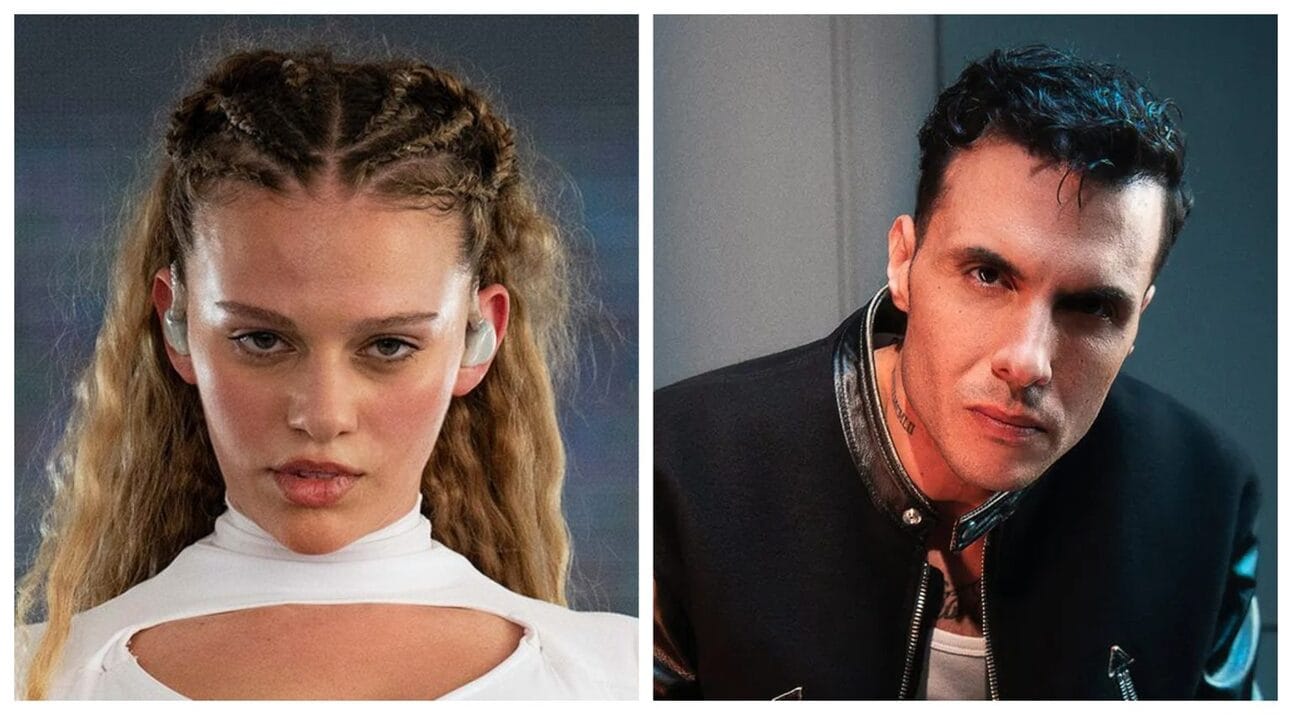
Have you seen the latest Spotify stats? Arab artists, especially Egyptians, are finally getting the flowers they deserve. Spotify’s 2025 “Loud & Clear” report shows royalties for Egyptian talents doubled in 2024, and over 80 percent of that is coming from listeners in the U.S., Germany, Indonesia, Brazil and other countries. There’s a global thirst for something real, what artists themselves call “honesty” and “self‑expression.” As Egyptian rock frontman of Cairokee Amir Eid said, “To reach the world, you have to be very local, very real. When your work is rooted in something true, people feel it, no matter where they’re from. ”
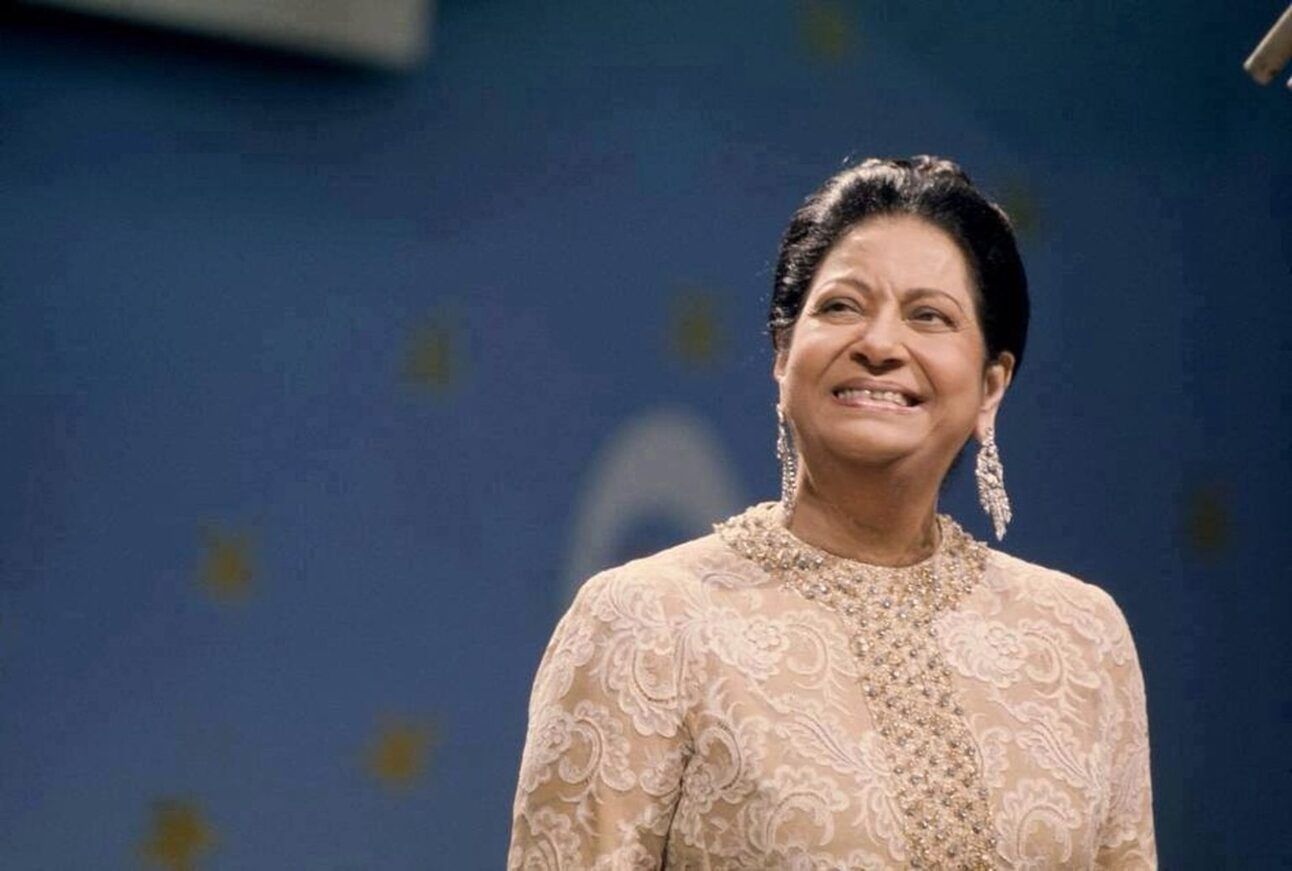
That brings us to Umm Kulthum, our timeless queen of authentic, local music. Back in 1967, when she performed in Paris, she didn't pander to Western taste, but had full ownership of her identity. She reminds us to keep it raw, local, and deeply rooted, whether it’s a soul-wrenching classical ballad or bumping Egyptian hip hop. It’s proof that authenticity travels, and our local flavor is the world’s flavor.
The Genius Behind the Opening of Enta Omri by Umm Kulthum
If you’ve ever listened to Umm Kulthum’s classic Enta Omri, and let’s be honest, you probably have, you’ll remember that unforgettable opening. It unfolds like a cinematic prologue: no lyrics, no voice, just the guitar, oud, and strings pouring emotion straight into your chest. In a world where streaming platforms beg for your attention in under 30 seconds, this intro does the opposite. It asks you to slow down, to make space, and in return, it gives you everything. It’s an ancient monument standing tall in a culture obsessed with speed.
What to Read
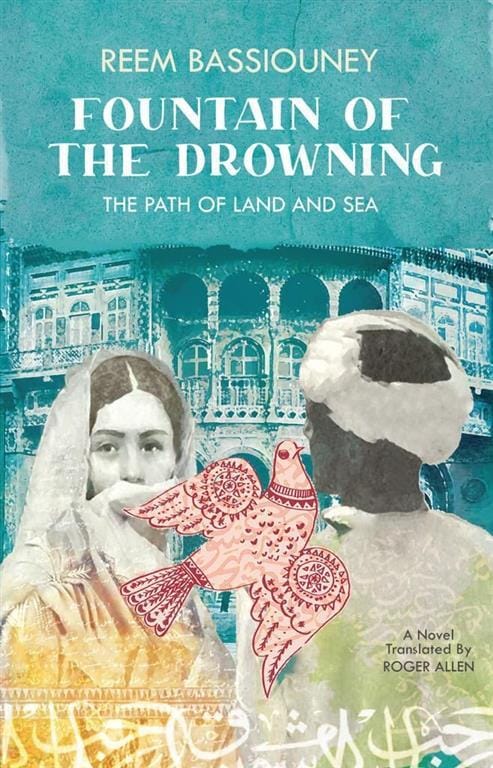
Fountain of the Drowning by Reem Bassiouney
Set in late 19th to early 20th-century Egypt, a time of sweeping change, from the Suez Canal’s construction to British occupation and the country’s rapid modernization, at the heart of this novel is the unlikely romance between Galila, a woman determined to defy societal expectations, and Hasan, her servant and protector, who battles prejudice rooted in his status. More than a love story, the book is infused with Sufi mysticism and Egyptian legend, and dives into universal themes like acceptance, revenge, forgiveness, and, best of all, agency: Do we really hold the power to shape our lives?
What to Listen To
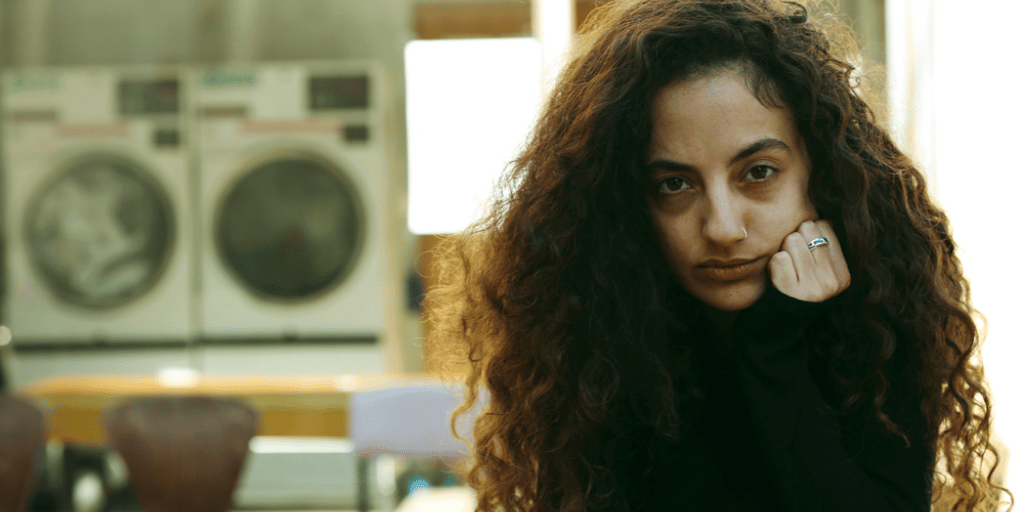
Arab Hip-Hop Artists You Should Pay More Attention To
Hip-hop in the Arab world has deep roots in resistance and storytelling. What began in Palestine has spread across the region as a voice of dissent, identity, and raw emotion. These seven artists provide us with powerful, authentic perspectives, from political protest to personal empowerment and identity.


What to Watch
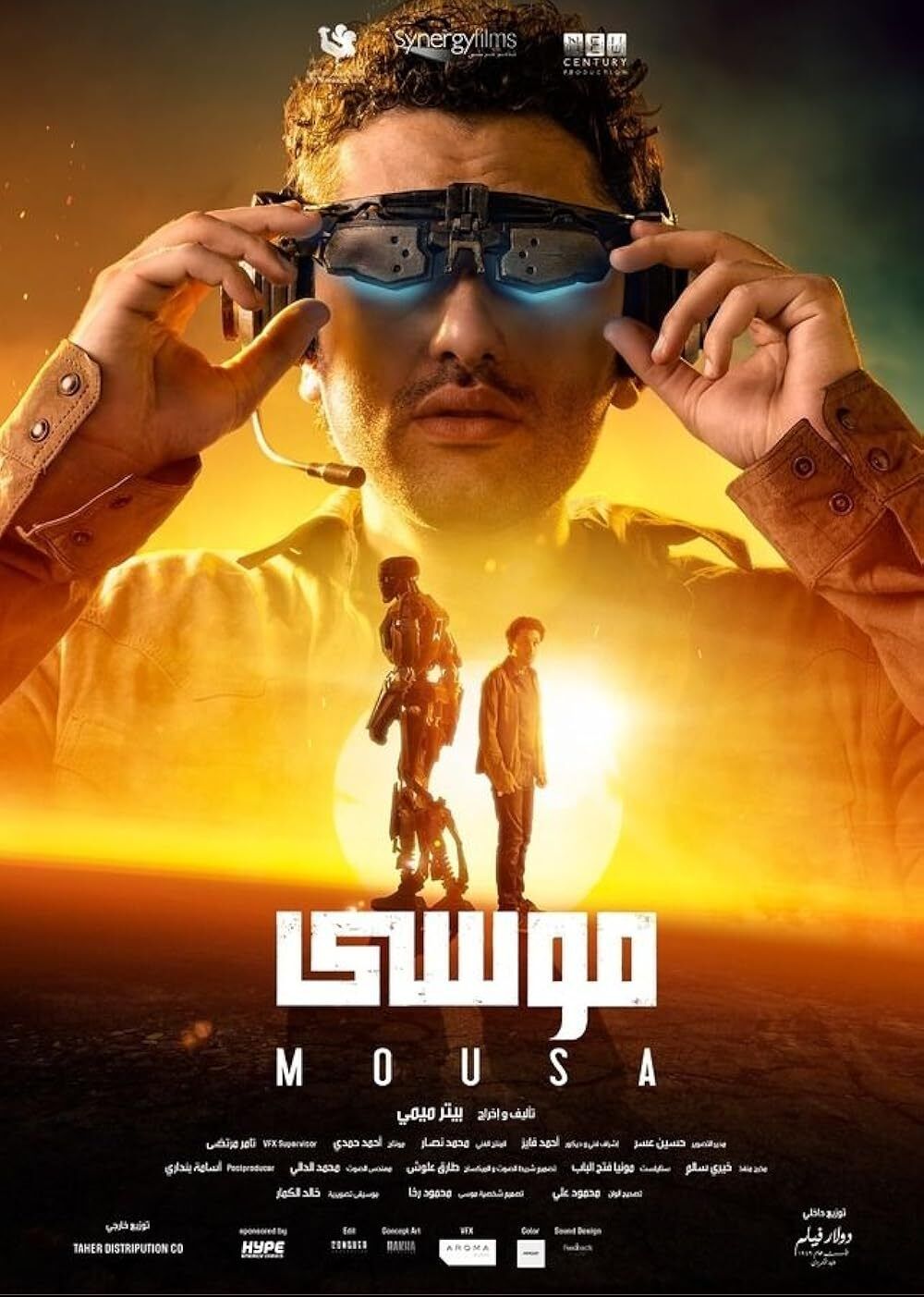
Mousa
Mousa (2021), directed by Peter Mimi, is an Egyptian sci‑fi/action thriller, and it’s reportedly the first robot-centered movie in Arab cinema. The story follows Yehia, a shy engineering student shattered after witnessing his father’s murder. Using his tech know-how, he builds Mousa, a powerful robot friend and vigilante, to seek justice.
What makes this film especially fresh is its brave dive into AI’s role in society. Mousa sparks a deeper conversation: What happens when machines understand us better than we understand ourselves? Can they manipulate our decisions, outpace traditional institutions, or even replace them?
What to Eat
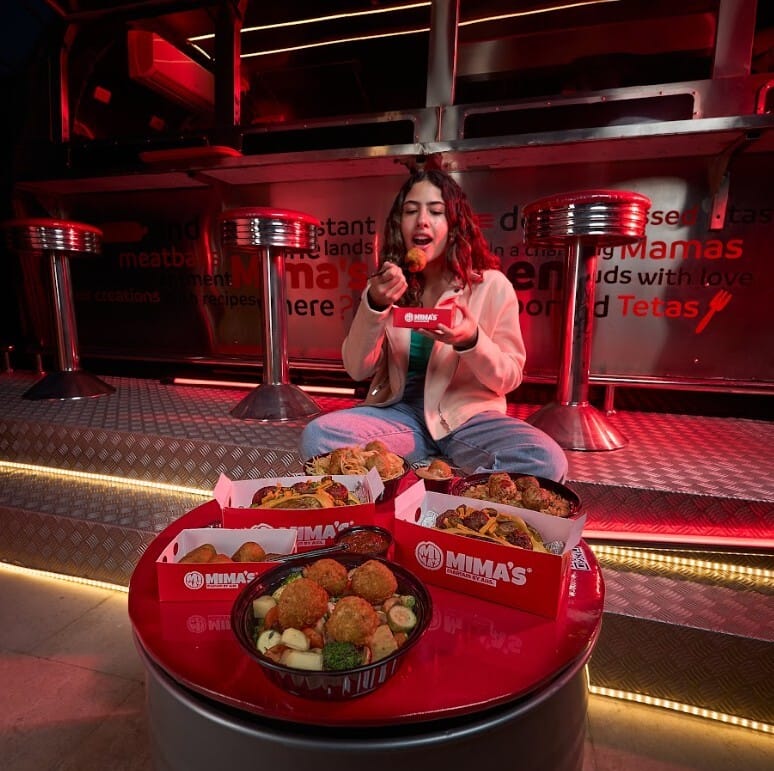
Cairo’s Coolest Meatballs
Rooted in Lebanese village kitchens and her grandmother’s recipes, Mariam's “MIMA’S” brings a fresh take on meatballs (or kofta) to Cairo’s street food scene. The menu covers global twists, like loaded mashed potatoes with beef meatballs and jalapeños, beef meatball subs with gooey cheese and spicy marinara, plus playful sauces like cherry jelly, while staying true to Lebanese and Egyptian roots.
What to Visit
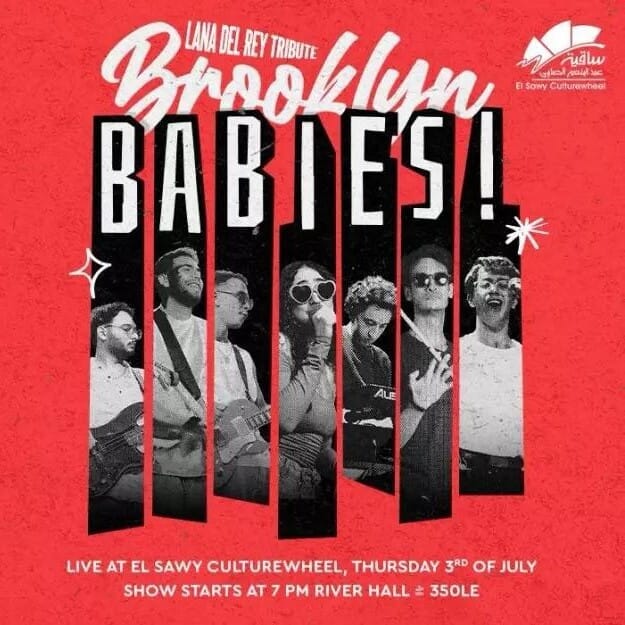
'Lana Del Rey' Tribute Night
Ever heard of Brooklyn Babies? They’re a Lana Del Rey tribute band, and they’re bringing their dreamy, melancholic energy to El Sawy Culture Wheel in Zamalek on July 3, from 7:00 PM to 9:30 PM. Expect moody ballads, cinematic vibes, and all the emotional highs of Lana’s music.

Cassette 90s
In 1990s Egypt, cassette tapes were a cultural lifeline. From taxi radios to home stereos, they carried everything from love ballads to revolutionary voices, shaping how an entire generation experienced music. Now, that spirit is being revived. On July 24, El Sawy Culture Wheel in Zamalek is bringing back the golden era with a night dedicated to the 90s.
Saudi Spotlight
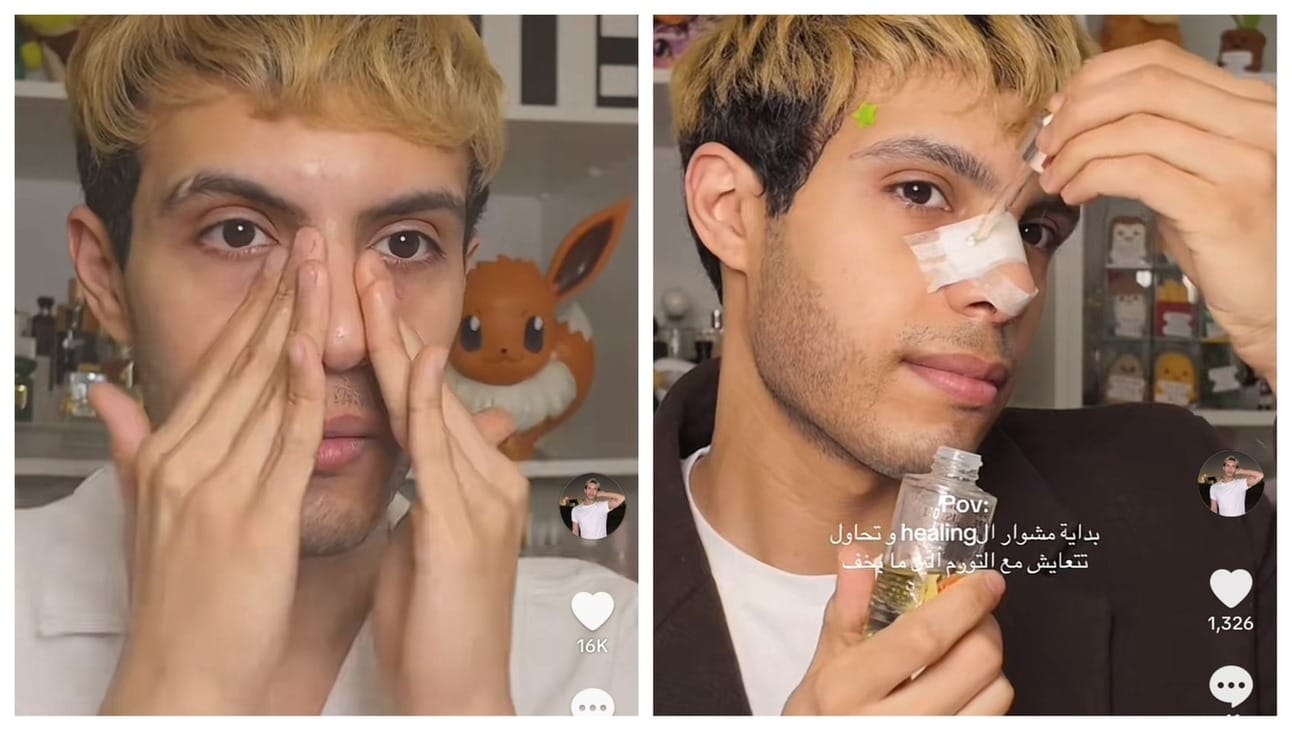
The Saudi Influencer Making Beauty More Inclusive
Meet Ali Majed, a Saudi beauty influencer with over 700,000 TikTok followers who’s shaking things up in a space typically dominated by women. His content isn’t just about products; it’s about connection. In his “Fadfada Friday” series, he even opens up about emotional struggles and self-care, helping build real relationships with his audience.
Saudi Arabia’s beauty market is booming, about 10% annual growth, with Saudis spending more on cosmetics than anyone else in the region, largely driven by a young population. He recently launched Ali Majed Beauty, starting with high-quality makeup brushes designed for diverse skin types and formulas.