- Culture Corner
- Posts
- This is our culture corner. Your weekly Egyptian cultural compass.
This is our culture corner. Your weekly Egyptian cultural compass.

Mirna Abdulaal
July 16, 2025 • Reading Time: 16 minutes

Hey there,
We hope you're doing well and that the summer heat hasn't completely fried your brain yet. If you get a chance, maybe let your boss know you need a quick getaway to the beach before September sneaks up on us. Seriously, the stretch between July and August flies by so fast, it’s easy to forget to appreciate it all!
Speaking of the beach, in this edition, we’re diving into how access to a clean, swimmable shore has become a luxury. Today, status symbols have evolved into experiences that signal belonging to a certain social tier. Whether it's a designer bag or a weekend at a pristine coastal resort, these markers visually reinforce class divides, focusing on who has, and who doesn't.
But what fuels this obsession? Why are people willing to go to such lengths for these symbols of status? And could this relentless chase spiral into something toxic, a cultural mindset that ultimately turns on itself?
Hope you enjoy the read, and have a wonderful weekend!
Warm regards,
Mirna Abdulaal
The time and effort behind this newsletter come from the Egyptian Streets team of independent, grassroots journalists. By subscribing for just USD 1.66 per month (EGP 80), or as little as USD 0.84 per month (EGP 40) for students (paid annually), you’re directly supporting the creation of content like this and helping sustain independent media in Egypt.
Support our work and subscribe by clicking here.
Spotlight
Samah Emam: Master of Texture and Pattern
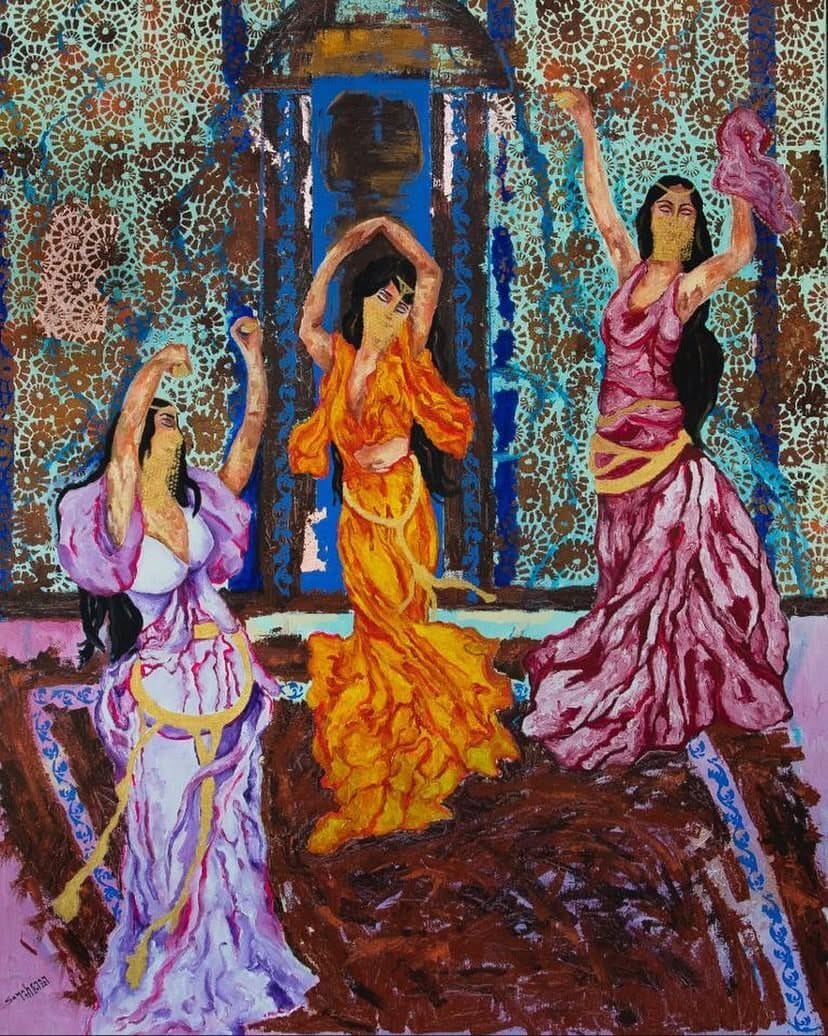
Using rich tones like deep fuchsia, golden orange, and lavender, Samah Emam creates artwork that focuses on the beauty of pattern and texture. Her artistic language draws from intricate patterns, layered with loose, expressive brushstrokes that bring a sense of fluidity to the painting. This is especially clear in the painting above, where she paints the dancers’ dresses that seem to move and flow with the rhythm of the figures. Capturing a strong sense of motion and emotion, her paintings make you feel as if you're part of this beautiful dance. Discover her work here.
Speaking to Egyptian Streets, Samah Emam shared more about her cultural picks and work below:
What routines or rituals help spark your creativity?
I go through a quiet morning phase before even deciding how to start my day. It usually begins with a cup of coffee in my garden. If I’m working on any paintings at the time, I keep photos of them on my phone. I look at them, reflect on them. After that, I head to my studio and play music, which is an essential part of my creative process. When I’m developing a new concept, it involves a lot of reading and sketching, because I always prefer to paint subjects that express a collective or historical state. My aim is often to translate written history into visual form, and that was the core idea behind my last solo exhibition.
How did you come to develop your unique artistic style?
My style was shaped by a buildup of both visual and emotional experiences, especially since I taught myself everything related to my practice. I paint, create objects using papier-mâché, and weave on a loom. Over time, I was able to integrate loom work into my paintings. My learning process didn’t follow conventional methods; on the contrary, it offered more freedom, which suited me, because restrictions don’t align with my personality. The word “should” often builds barbed wire around creativity.
Are there particular emotions that guide or influence you while painting?
Yes, there are emotions that guide me, though they’re not always clear at the beginning of a painting. Usually, I detach from the outside world to dive deep within myself, and it’s in that inward space that emotions begin to surface. Nostalgia, for example, might suddenly reveal itself in a small detail. Anger often takes the form of sharp shapes or clashing colors. Sadness? I paint it in joyful tones. And some works are led by fear, not a terrifying fear, but a quiet one: the fear of forgetting, of losing, of time passing without leaving a mark.
How do you express the essence of Egypt through your art?
I love everything about Egypt. From the moment I started reading and truly understanding just how great this country is, that love has only deepened. Despite all my travels, there’s always a strange, powerful feeling that washes over me the moment I return, it’s what I can only describe as the feeling of being home. My last exhibition focused on social life during the Mamluk era, and right now, I’m working on a new series of paintings inspired by Ancient Egypt and the Pharaohs. So yes, you could say Egypt is the heart of the story, it’s the tale I keep returning to.
Is there a project that holds special meaning for you, and why does it stand out?
I consider every painting an experience in my life, it takes from my time, my thoughts, and my spirit. Each work helps shape my awareness and perception. For me, painting isn’t just a practice, it’s a way of life.
Feature

QR Codes, Classism, and North Coast’s Gated Summer
Back in the day, Egypt’s North Coast was pretty easy‑going. You could often talk your way into gated compounds or beaches just by knowing someone or chatting with the guard. Fast-forward to 2025, and things have shifted dramatically. Many high‑end compounds now require QR codes just to enter, even to hit the beach. These codes are issued through exclusive apps, controlled by property owners, and sometimes resold or shared among friends. If you're not on the list (or app), you're simply denied access.
These compounds, such as Marassi, Hacienda, Swan Lake, SeaShell, and others, aren’t just places to stay anymore. They’re status symbols, styled like mini Ibiza resorts with manicured lawns, boho-chic decor, and beach clubs. It's all about projecting an “exclusive lifestyle.” The cost is eye-watering: a week’s stay can run EGP 125,000 to EGP 300,000+, that's two to six months of average Egyptian household income. So large parts of the coast are now financially unreachable for most people.
These gated, QR-coded compounds serve as visible status markers. They communicate: “I belong”, not just to a location, but to a particular class. This shifts the beach from a shared public good to a prize item reserved for the few. With social media celebrating luxury getaways, peer pressure kicks in. People want to be part of that curated, polished lifestyle—even if it costs a fortune or requires special access. It's a digital-age FOMO.
But as coastal leisure becomes more sanitized and stylized, people may start questioning what was sacrificed along the way: simplicity, inclusiveness, authenticity. A luxury vacation that’s clearly beyond reach for the majority stands out starkly, it turns leisure into a visual reminder of economic divide.
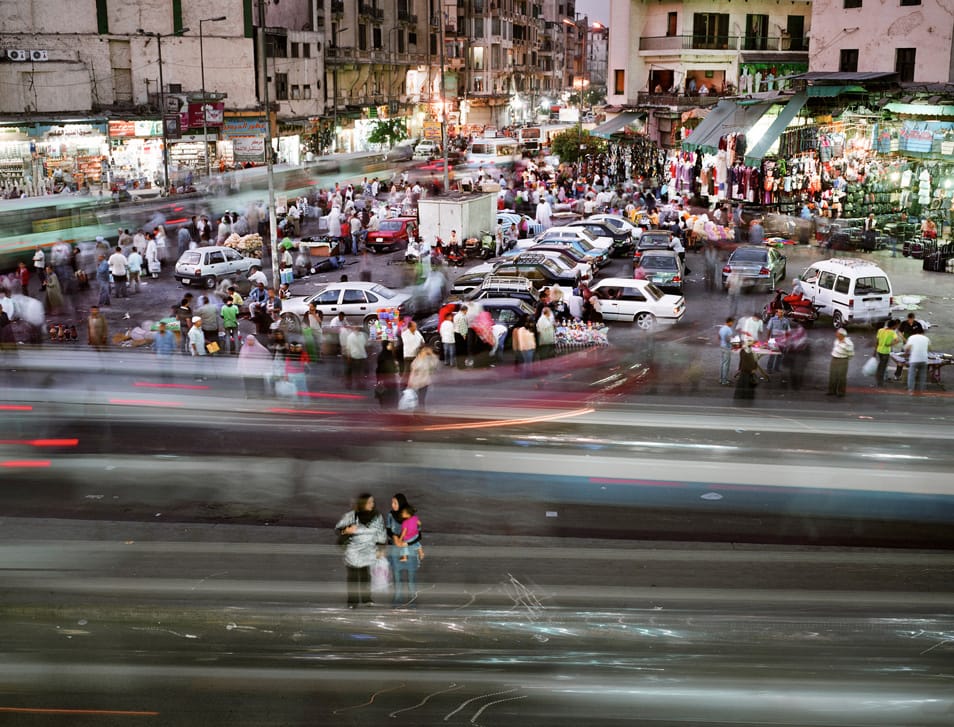
How One Word Reflects a Class Split in Egypt’s Society
In Egypt, the word "bee2a", originally meaning “environment,” bee’a has evolved into a coded class insult. It’s a single word loaded with judgment, and in today’s Egypt, it’s become a casual way to draw invisible social boundaries. People go to great lengths to not be seen as bee’a. They change how they talk, what they wear, where they go, what they post online. And that fear fuels a whole culture of: self-policing behavior, shame around origin, or even overcompensation through consumerism (designer brands, trendy slang, curated online images).
But this obsession can backfire. Creating widening class gaps where bee2a deepens them, reinforcing stereotypes and discouraging social mobility. Cultural flattening also starts to happen, as everyone begins to mimic the same polished, upper-class aesthetic. Individuality and authenticity get lost in the process.
Behind the word is a deeper issue: a society struggling with class anxiety, constantly using language to define who's in and who's out. And if we’re not careful, a single word like bee2a can end up shaping not just how we talk, but how we see each other.
What to Read

Nag‘ al-Sal‘awwa (نجع السلعوة)
In a mythical village, a shadow looms: generations born from defeat and bitterness, who carry in their souls a loss so deep that they seek solace in earthly desires. These addictions become their refuge, and the only way to unload the pain of a broken spirit. At the heart of the story is a mother who becomes grandmother, yet nothing moves in the village unless she wills it so. Ahmed Abu Khneiger translates this bitter reality with local myths, blending truth and legend so seamlessly that the village myths begin to feel real. And in that fusion, we see ourselves, our own modern struggles, carried through ancient myths.
What to Listen To
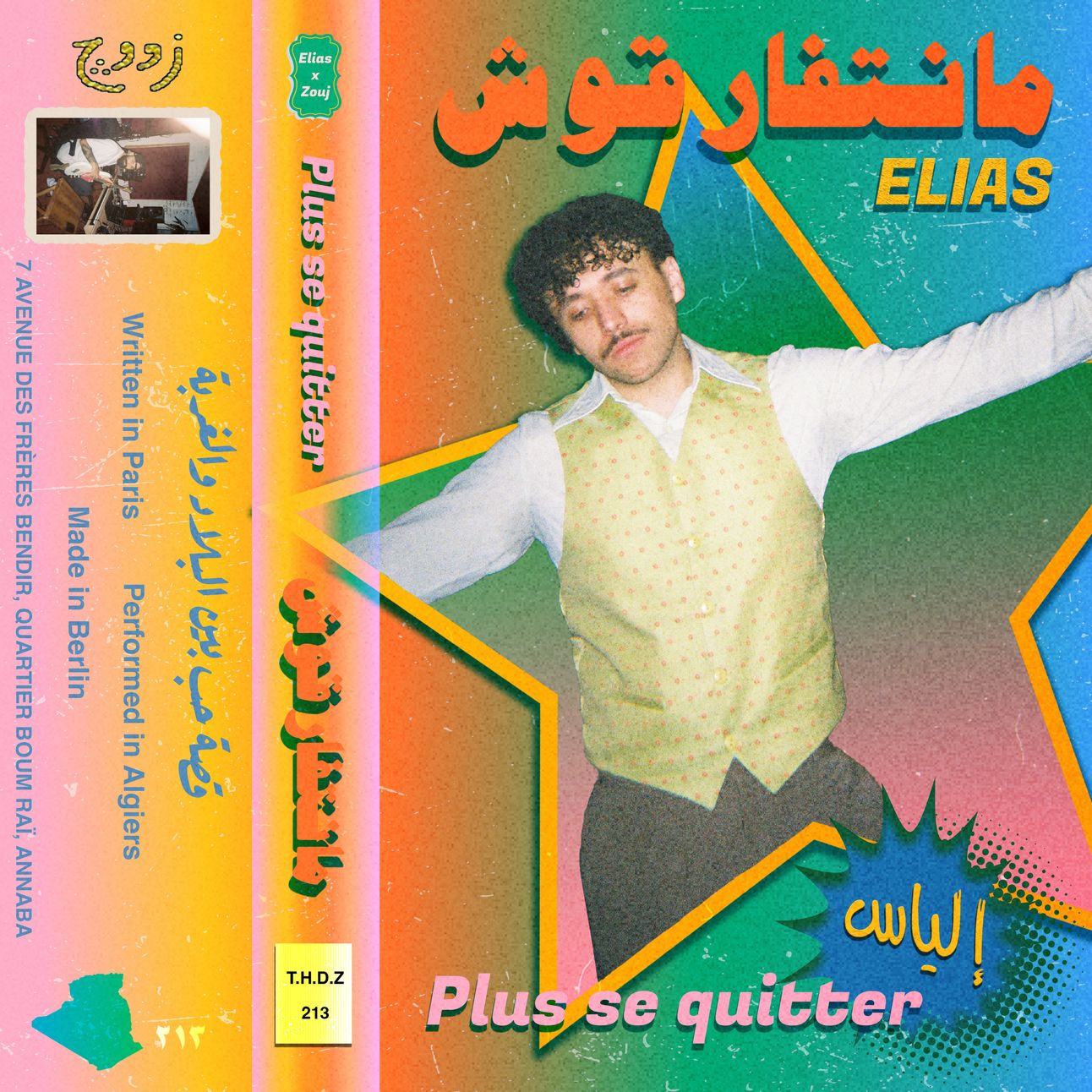
Plus Se Quitter (No More Leaving Each Other)
Summer sounds different to everyone, but for North Africans, summer isn’t complete without Raï. No other genre captures the spirit of long nights in smoky cafés and cabarets, where every note felt like a memory in the making. Today, a new wave of artists is bringing Raï back to its roots, embracing its raw emotion and nostalgic edge. Among them is French-Algerian artist Elias, who is helping lead the revival with his fresh yet faithful spin on 90s-style sentimental Raï. His latest single lingers like a warm breeze, which is impossible to forget.


What to Watch

Captains of Zaatari
Egyptian filmmaker Ali El Arabi spent eight years filming inside Jordan’s enormous Zaatari refugee camp, focusing on two close friends, Mahmoud and Fawzi. These young Syrian refugees pour all their energy into their love for soccer, a dream that, for them, represents a path beyond the camp and toward true freedom. When Aspire Academy, a world-renowned sports academy, visits to scout talent, Mahmoud is initially chosen for a tournament in Doha. Fawzi is left behind, but eventually, the coaches call him in as well. The two friends get a chance to play together internationally while their families watch back home in Zaatari.
The film follows them over several years, capturing their hopes, daily life in the camp, and the tension between dreams fulfilled and the crushing reality that awaits when the tournament ends and they return to the Zaatari refugee camp.

Superman
The new Superman film, directed by James Gunn, is being described as a “pro-immigration and anti-Trump blockbuster”, positioning the superhero in direct contrast to populist authoritarian figures and aligning him with themes of openness and moral clarity. Some have also interpreted it as anti-colonialist and a critique of the colonial practices carried out by contemporary governments.
In interviews, James Gunn emphasized Superman’s origin, sent from Krypton to Earth, as a metaphor for America’s immigrant roots. For Gunn, the story isn’t ideological preaching but a reaffirmation of basic human kindness. In the film, Superman intervenes to stop a fictional authoritarian regime’s invasion of a poorer neighboring country. Meanwhile, villain Lex Luthor weaponizes online misinformation and public fear.
What to Eat
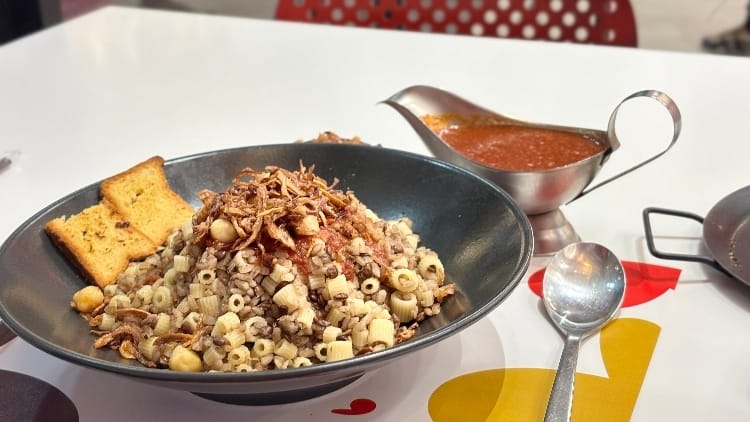
Ward Koshary’s Culinary Excellence in New Cairo
In New Cairo’s Arabella Plaza, Ward Koshary is rethinking everything we thought we knew about Egypt’s classic dish. You know how koshary is usually heavy, messy, and smells up your clothes? Ward is here to change that. They’re keeping the heart of koshary, the carbs, the sauce, the crunch, but making it cleaner and lighter. The founders wanted to create a space where people who normally avoid koshary could fall in love with it again.
What to Visit
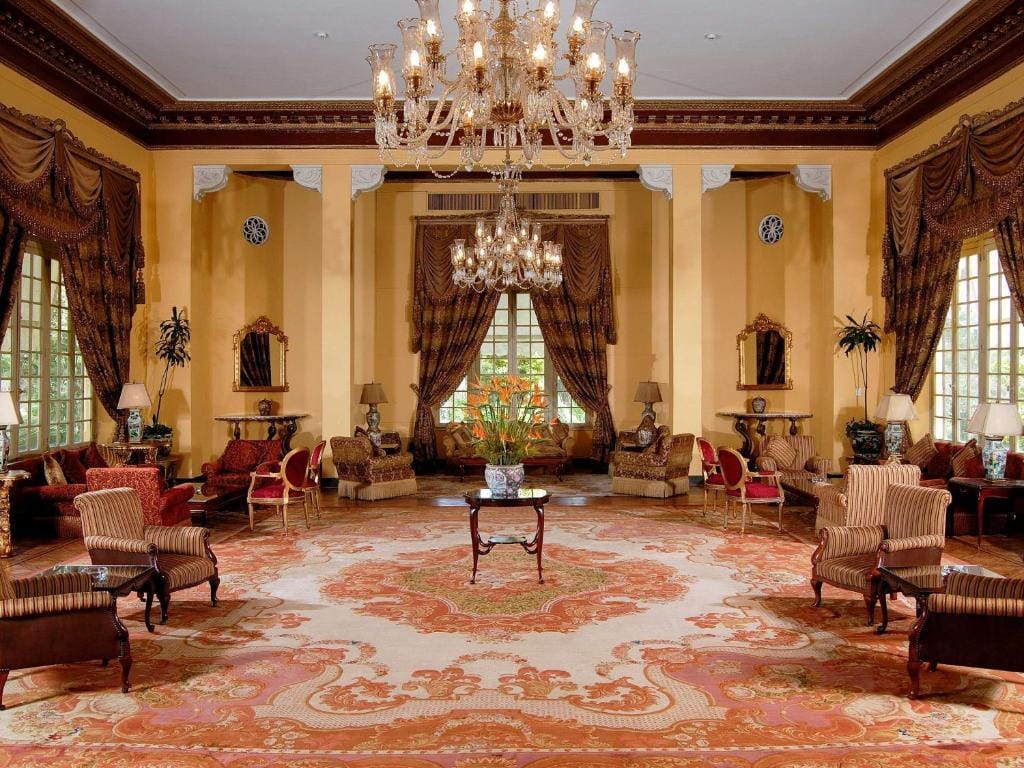
These Hotels in Egypt Are Made for Readers and Writers
From the historic Sofitel Winter Palace in Luxor, where Agatha Christie is said to have written Death on the Nile, to the off-grid, contemplative silence of Adrère Amellal in Siwa, each hotel offers its own kind of magic. La Maison Bleue in El Gouna feels like a private library by the sea, with antique-filled interiors and Mediterranean charm, while Alf Leila in Dahab provides cozy Moroccan touches and a serene courtyard perfect for morning pages. Even larger resorts like Desert Rose in Hurghada make space for quiet reading moments in warm, library-like lounges. Altogether, all of these hotels are curated sanctuaries where design, setting, and stillness allow readers and writers to fully immerse themselves in their craft.

Hiba El Gizouli, Alsarah & The Nubatones
Alsarah & The Nubatones blend Sudanese musical traditions with East-African retro-pop. They're performing their new album, Seasons of the Road, live for the first time in Egypt. Seasons of the Road reflects their journey, exploring themes like migration, distance, and the pull of home. Hiba Elgizouli, a talented Sudanese singer-songwriter, will open the show with her soulful fusion of R&B and Sudanese influences.
Saudi Spotlight

In Saudi Arabia, the Abaya Is No Longer Just Black
What's really beautiful about culture is that even a single piece of fabric can carry many meanings, and evolve with time. In Saudi Arabia, the abaya is a perfect example of that. Not long ago, the black abaya was a near-universal sight, something most women wore by default, especially in public. But now, if you walk through a café in Riyadh or stroll the Jeddah waterfront, you’ll see a new wave of colors: soft lilacs, earthy olives, warm beige, deep navy. Some abayas are embroidered at the sleeves, others flow like overcoats, and many are worn open over jeans and sneakers. It’s subtle, but the shift is there.
For many women, it’s now a go-to piece not because they have to wear it, but because they want to. It’s comfortable, elegant, and endlessly adaptable. With breezier fabrics, looser silhouettes, and thoughtful tailoring, the abaya has become a space for creativity and individuality.