- Culture Corner
- Posts
- This is our culture corner. Your weekly Egyptian cultural compass.
This is our culture corner. Your weekly Egyptian cultural compass.

Mirna Abdulaal
July 30, 2025 • Reading Time: 18 minutes

In partnership with

Hey there,
We hope you're doing well, even if the stars seem a little out of line lately. Astrologers are calling this stretch a “planetary retrograde,” which basically means: chaos is in the air. Whether you believe in astrology or not, we’re sending you calm energy and hoping you find a little pocket of peace, maybe through a good read, a cozy film, or your favorite snack.
In this edition, as summer continues to blaze on, we’re shifting gears to reflect on some deeper cultural conversations happening in Egypt, ones that go beyond just travel and vacation. A recurring topic, especially during the warmer months, is the way women’s clothing becomes a public debate.
From social pressure around how women “should” look in summer, to more troubling practices like some resorts banning women in hijabs or burkinis from the beach, they reflect ongoing, layered issues around class, control, and the policing of women’s bodies.
We hope you enjoy the read, and have a wonderful weekend!
Warm regards,
Mirna Abdulaal
The time and effort behind this newsletter come from the Egyptian Streets team of independent, grassroots journalists. By subscribing for just USD 1.66 per month (EGP 80), or as little as USD 0.84 per month (EGP 40) for students (paid annually), you’re directly supporting the creation of content like this and helping sustain independent media in Egypt.
Support our work and subscribe by clicking here.
Spotlight
Meet Menna Ammar, Founder of Sobia Gallery

What makes Arabic calligraphy so unique is its ability to exist as both language and art. The letters flow seamlessly into one another, melting into curves and lines that feel more like a painting than text. It draws you in, and every corner, every curve becomes part of a larger geometric harmony. And this is exactly what Menna Ammar, founder of Sobia Gallery, captures so beautifully in her work: the transformative power of Arabic calligraphy, and how it can reshape the entire feel of a painting with just a few strokes. Discover her work here.
Speaking to Egyptian Streets, Menna Ammar shared more about her cultural picks and work below:
What routines or rituals help spark your creativity?
I usually like to start my day in a calm way, with my favorite herbal drinks, and spend time either in my personal gallery or in a quiet, natural space, like by the sea or in a garden, with my iPad or traditional tools like paper, pencils, and ink. This peaceful atmosphere helps me listen to my inner voice and draw without pressure or expectations. Physical exercise and movement also help me clear my mind, which reflects in my artistic work. I also get inspired by attending many different exhibitions and collaborative art workshops, where I engage with other artists and fresh perspectives.
How did you come to develop your unique artistic style?
My style evolved naturally over time, through experience, exploration, and a journey that started with the gift of talent Allah gave me, and continued with my formal education. I chose to study at the Faculty of Fine Arts, specializing in printmaking, to explore various materials and unleash creativity through diverse techniques.
Throughout the years, I kept experimenting across multiple art forms, always guided by the message I wanted to express. I was especially drawn to Arabic calligraphy, approached freely through expressive letterforms, and I deepened my knowledge by attending many long and short workshops.
I also love incorporating folkloric symbols with a contemporary twist, blending them in a way that reflects my identity and passion for Arab culture. I always aim to modernize and evolve the forms to resonate with both older and younger generations, while maintaining a light, relatable, and distinct visual language.
Are there particular emotions that guide or influence you while painting?
Absolutely. Emotions are a big part of my creative process. Sometimes, I feel like the artwork itself decides which emotion it wants to express, whether it’s longing, nostalgia, excitement, or even a soft kind of anger. I paint straight from those feelings, without trying to control the outcome. I also draw strong inspiration from daily life in Egypt. I’m highly observant of everyday moments in the Egyptian street—they’re rich, layered, and culturally dense. Each region in Egypt, whether north, south, east, or west, has its own unique character that inspires different emotional and visual themes in my art.
How do you express the essence of Egypt through your art?
I try to highlight the beauty of Egypt’s simplicity, such as its folk symbols, Arabic letters, traditional sayings, ancient myths, and everyday expressions. I use a warm and vibrant color palette that captures the spirit of Egyptian streets and culture. My goal is to make people feel connected to their childhood, to a familiar place, or to a specific emotion they may be experiencing, even if they can’t quite name it. Many people struggle to articulate their feelings or describe their daily experiences, so I try to be a bridge between them and their emotions through my words, calligraphy, drawings, and colors.
Is there a project that holds special meaning for you, and why does it stand out?
Yes, there are several.
One of them is “He is Merciful”—a lino engraving and black-and-white print series that explores the spiritual connection between humans and God. It carries messages of patience, divine mercy, and the internal human struggle between good and evil. I chose only black and white to emphasize the contrast and depth of that sacred relationship.
Another project is “Dream Catcher”, also done using lino engraving and printing, but in color and very limited editions. It visualizes the dreams floating in the universe and the human pursuit to reach them. Several major institutions collected copies of this work.
And finally, “Al-Wans” (which translates loosely as “comforting presence”)—a deeply personal series about the intimate connection between people and their surroundings. It focused on simple, daily moments that offer a sense of warmth and safety, which we often miss in the rush of modern life.
Writing Competition
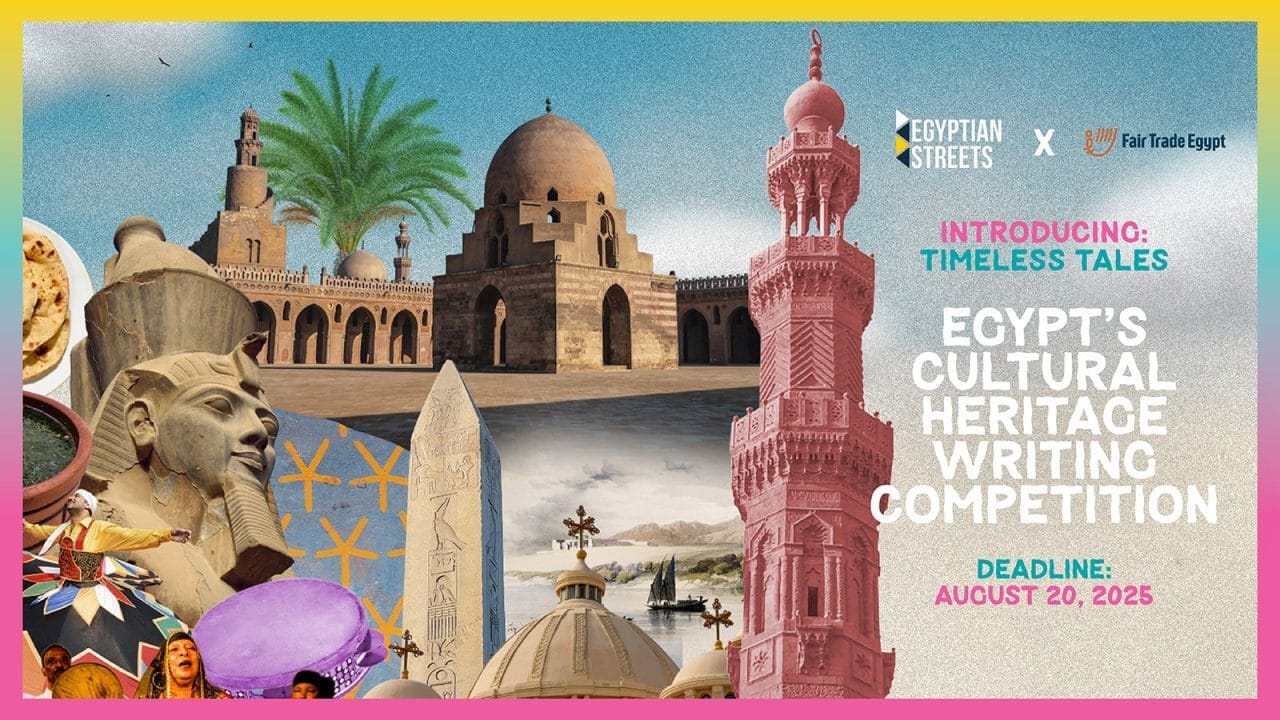
2025 Writing Competition “Timeless Tales”
If you've got a tale to tell about exploring historical sites, attending a performance, or even discovering hidden artisan crafts, we’re all ears! The top three winners will get vouchers from FairTrade Egypt, which can be used to pick out some truly beautiful handcrafted pieces, such as embroidered shawls, unique jewelry, and gorgeous pottery. These items not only showcase the talent of Egyptian artisans, but also FairTrade Egypt’s commitment to ethical, eco-friendly craftsmanship.
The top 10 submissions will be featured on Egyptian Streets, giving writers the chance to showcase their stories to a broad audience. To enter, just send your submission to: [email protected]
Deadline: August 20, 2025
If you have any questions, feel free to reach out to us at [email protected] or [email protected].
Feature

On Elitism and Policing Women’s Attire in Egypt
In recent years, a troubling pattern has emerged across various venues in Egypt, where resorts, restaurants, and clubs have increasingly imposed informal bans on women wearing the hijab or the burkini. Under the guise of maintaining a certain aesthetic or "respecting" the values of the establishment, these practices have raised serious concerns about the policing of women’s bodies, as well as the classist and exclusionary ideologies underpinning them.
This issue, however, is not new. It is rooted in a complex social history where the veil has long been politicized. In early 20th century Egypt, the hijab was often viewed by the elite and the Western-influenced middle class as a symbol of backwardness. Over time, however, it became a deeply personal and often political expression; an emblem of religious identity, resistance, and autonomy.
From a legal perspective, the situation remains ambiguous. While the Ministry of Tourism has stated that no venue has the right to exclude veiled women, enforcement remains weak, especially in the absence of clear legislation banning such acts. The result is a system where informal rules go unchecked and women continue to be excluded based on what they wear.
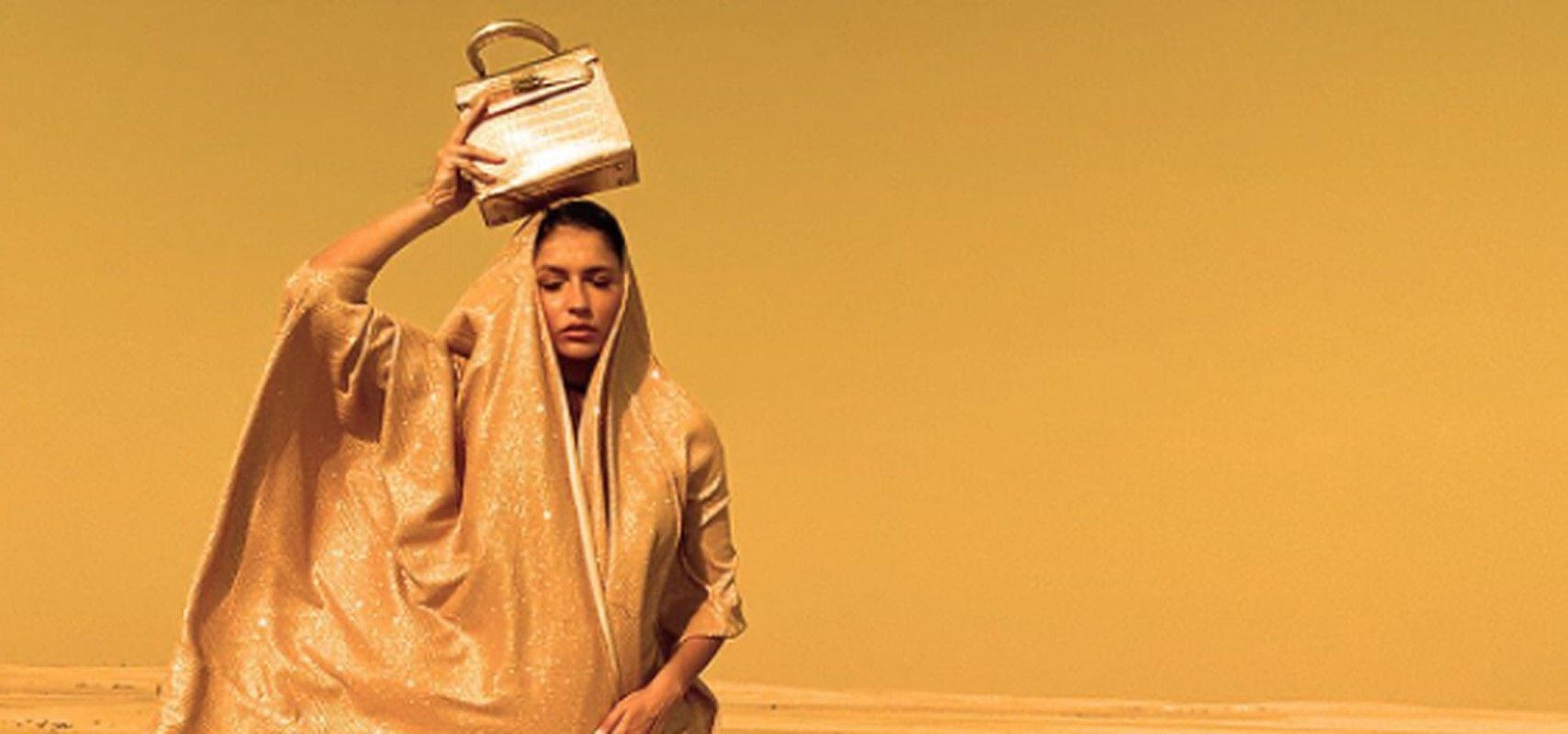
The Other Hijab and the Blurred Identity of Women
From the earliest days of photography in the Middle East, women played pivotal yet largely undocumented roles, working behind the scenes or in gender-specific studio spaces. Today, Middle Eastern photography is evolving under the vision of contemporary Arab women such as Myriam Boulos and Mashael Al Saie. Yet Kuwaiti photographer Hajar Almutairi stands out for her series titled “The Other Hijab,” in which she uses collage and mixed media to critique cultural constructs around womanhood and modesty.
Almutairi's work is deeply personal, as she seeks to convey how society's expectations suppress genuine expressions of identity. Clothing, consumption habits, and societal pressures combine to form what she calls a "blurring" of the female subject, reducing women to symbols rather than recognizing them as individuals
Her intention, she asserts, is to counteract these erasures. In rejecting external definitions of femininity, she aims to reclaim the authenticity of women's experiences and identities: “We shouldn’t normalize anything that attempts to blur or control the identity of women,” she states
What to Read

Five Egyptian Women Tell Their Stories
In Khul-Khaal, Egyptian oral historian Nayra Atiya provides a rare and unfiltered glimpse into the lives of five contemporary Egyptian women, ranging in age from their early twenties to mid-sixties. Over the course of several months, these women, drawn from Cairo’s impoverished middle and lower classes, shared their stories with Atiya in intimate detail.
Their testimonies span a range of lived experiences: the emotional toll of being a co-wife in a polygamous marriage, the social and personal complexities of divorce, the trauma and normalization of female circumcision, the pain of child loss, generational conflict and inherited resentment, and the influence of superstition, witchcraft, and traditional healing practices. These women also reveal the strategies of survival they employ, such as managing tight household budgets, preserving dignity, and investing in symbolic markers of marital status, like khul-khaal (anklets made of gold or silver, traditionally worn by married women).
Your career will thank you.

Over 4 million professionals start their day with Morning Brew—because business news doesn’t have to be boring.
Each daily email breaks down the biggest stories in business, tech, and finance with clarity, wit, and relevance—so you're not just informed, you're actually interested.
Whether you’re leading meetings or just trying to keep up, Morning Brew helps you talk the talk without digging through social media or jargon-packed articles. And odds are, it’s already sitting in your coworker’s inbox—so you’ll have plenty to chat about.
It’s 100% free and takes less than 15 seconds to sign up, so try it today and see how Morning Brew is transforming business media for the better.
What to Listen To

Batmana Ansak by Sherine
This song has been going viral lately, and for good reason. "Batmanna Ansak" by Sherine Abdel Wahab is the kind of song that lingers in the background of a heavy summer. With her signature voice, she sings about the aching desire to forget someone who still haunts every thought; a love that’s over but hasn’t quite left. The melody is soft and melancholic, perfectly capturing the mood of someone going through heartbreak during a season that’s supposed to feel light.


What to Watch

80 Bako
Blending humor and drama to explore themes of economic struggle, the story follows Bousi, a young and gifted hairstylist from a working‑class neighborhood in Cairo. As she prepares for her wedding, she faces an urgent financial obstacle: she needs 80,000 Egyptian pounds to cover her wedding expenses. In response, the salon owner offers her a new opportunity to become a private hairstylist for upper‑class clients in their homes. Accepting the role opens up a new world for Bousi, reshaping her ambitions, self‑perception, and understanding of class and opportunity.
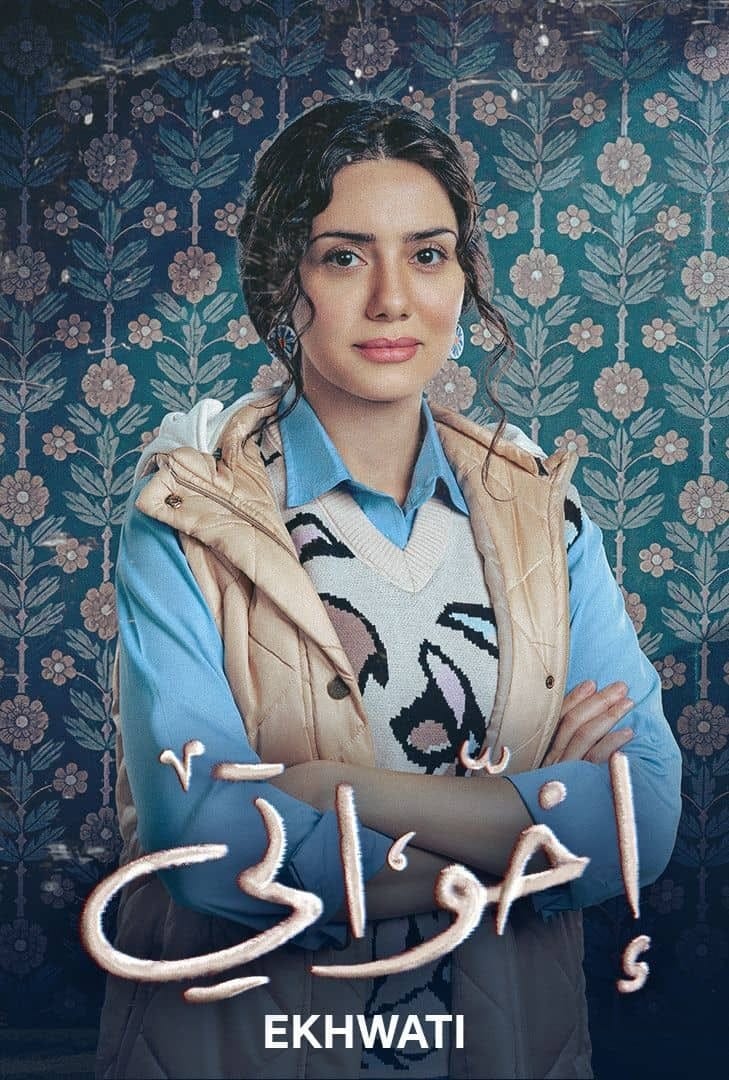
Ekhwati
Everything begins when Naglaa (played by Gihan El Shamashergy) dreams her husband Rabie will be killed. Terrifyingly, her dream becomes reality, and she wakes to discover his body exactly as she'd seen in the vision. Suddenly, Naglaa is at the center of suspicion. She and her sisters band together to protect her reputation. Their investigation uncovers buried secrets, sibling tensions, and unexpected alliances to avoid legal scrutiny and clear Naglaa’s name.
If you're in the mood for a female-led, emotionally charged mystery that unfolds like a dark dream, or feels like stepping into the surreal edges of everyday life, this series is a standout pick.
What to Eat
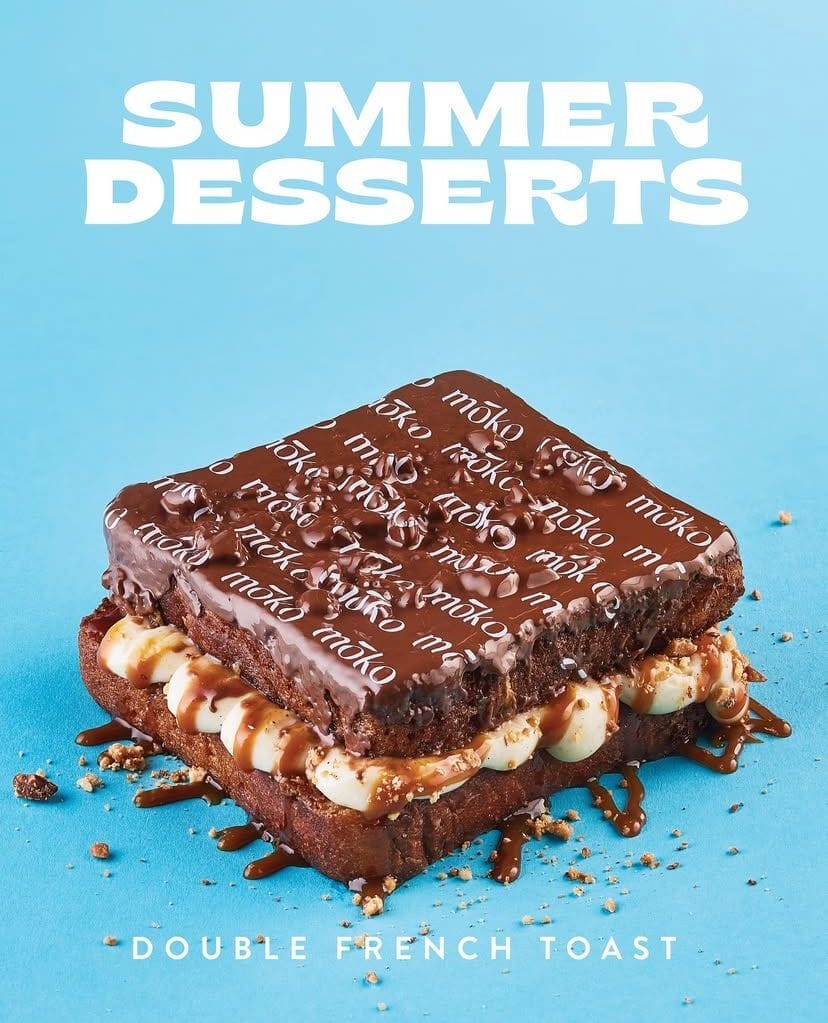
Moko’s Double French Toast
Moko’s Double French Toast is a summer showstopper made for serious dessert lovers. It is a stack of two thick slices of French toast, sandwiched with luscious vanilla cream and drizzled with golden caramel. The top layer is fully enrobed in glossy chocolate, branded with the signature moko print, giving it an ultra-sleek finish. Crunchy bits and chocolate sauce spill over the sides, making this messy masterpiece impossible to resist.
What to Visit

Massar Egbari
In the mood to rock out this summer? Catch one of Egypt’s most iconic alternative rock bands, Massar Egbari, live in concert at Nile University’s El Sawy Culturewheel Theater in Sheikh Zayed on Thursday, 31 July. Known for their socially conscious lyrics and genre-blending sound that fuses rock, jazz, and oriental music, Massar Egbari brings an energy that’s both electric and thought-provoking.
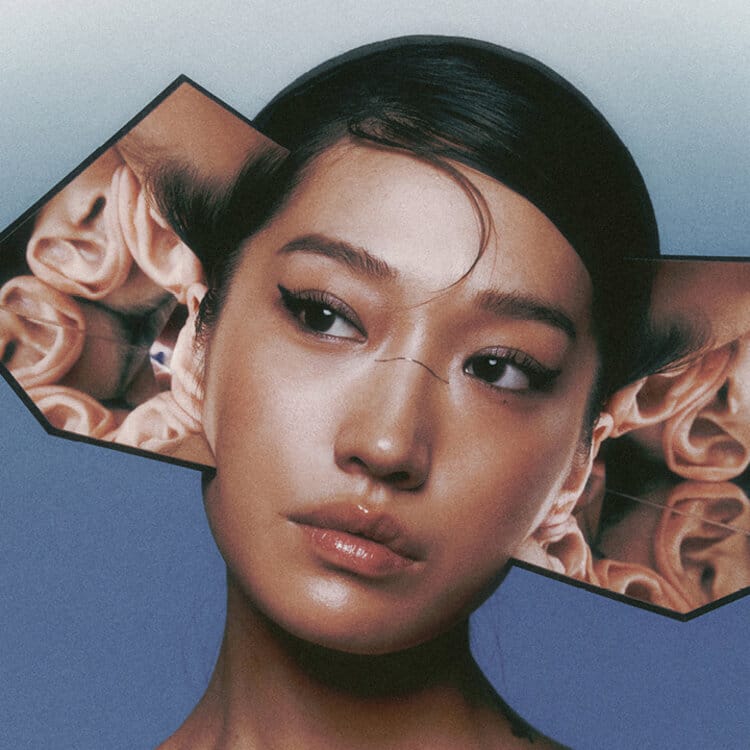
DJ and Producer Peggy Gou to Bring Her Beats to the North Coast
Global DJ sensation and style icon Peggy Gou returns to the Sahel sands this summer. The South Korean DJ and producer has carved out a unique space in the global electronic scene, blending deep house, Detroit techno, and Korean vocal samples into high-energy sets that feel both nostalgic and futuristic. This summer, she’s bringing that same electric energy to D-Bay on Thursday, 7 August.
Saudi Spotlight
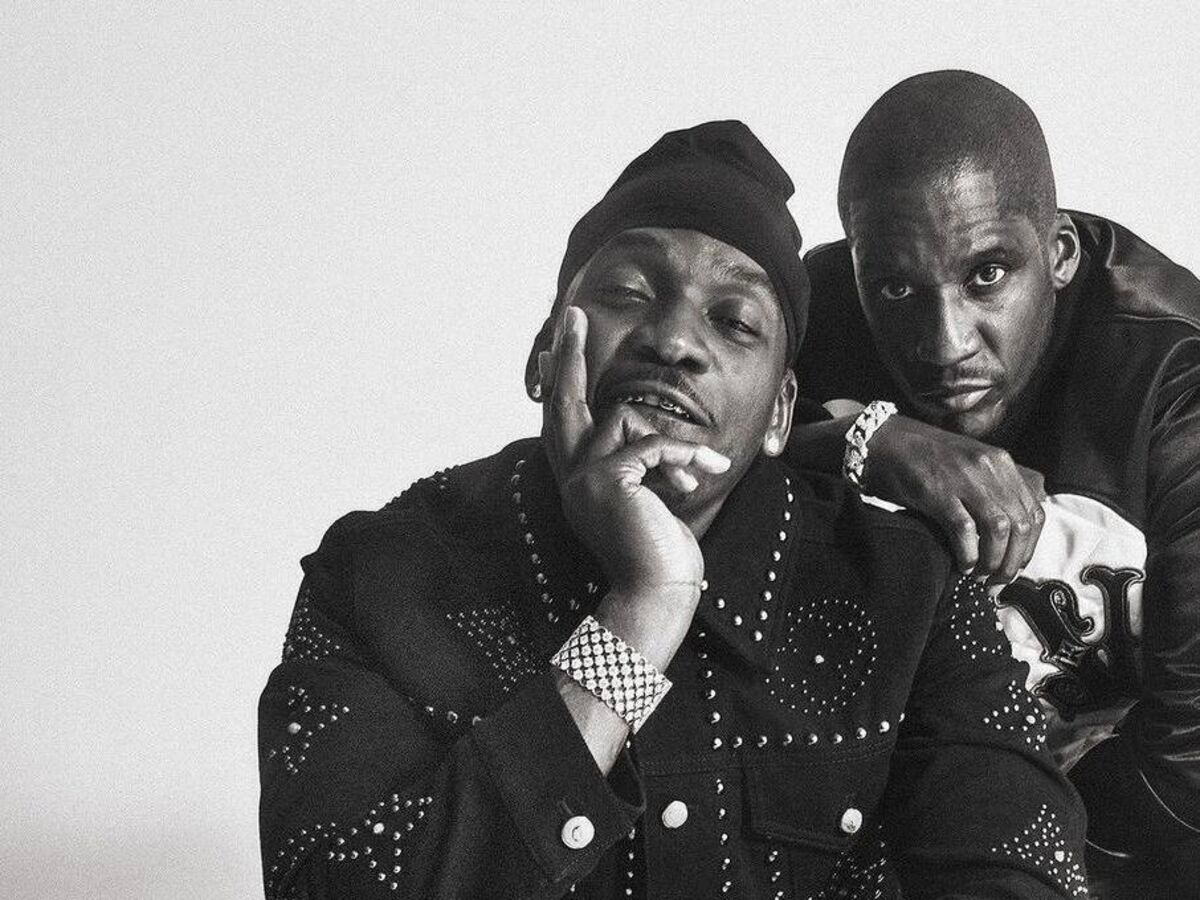
A Saudi Song Is Sampled in 2025’s Most Talked About Rap Track
In one of the most unexpected and powerful musical crossovers of the year, iconic hip-hop duo Clipse, made up of brothers Pusha T and No Malice, have returned with a bold new album, Let God Sort ’Em Out. But what truly has people talking is the album’s lead single, “So Be It”, which opens with a haunting sample of “Maza Akoulou,” a 1976 track by legendary Saudi singer Talal Maddah, often referred to as “The Earth's Voice.”
Produced by Pharrell Williams, the track blends a nostalgic Arab sound with the grit and urgency of modern rap, creating a rare moment where two cultural legacies meet on equal footing. What makes this even more interesting is how swiftly the sample clearance happened. After fans recognized the iconic Saudi melody, clearance was rushed, and secured within hours, thanks to Swizz Beatz, who used his strong relationships within the Saudi creative scene to fast-track approvals.