- Culture Corner
- Posts
- This is our culture corner. Your weekly Egyptian cultural compass.
This is our culture corner. Your weekly Egyptian cultural compass.

Mirna Abdulaal
July 09, 2025 • Reading Time: 13 minutes

Hey there,
There’s something about the way Egyptians talk that feels different. It’s as if we’re all born part-storyteller, part-comedian, without ever being taught. We turn everyday chaos into comedy, vent our frustrations through nokat, and somehow, even the most ordinary street-side chat can feel like a scene from a film.
In this edition, we’re diving into the many ways Egyptians express themselves, and why that expression remains the spark, the fuel, and the engine that keeps them going in a country that’s still finding its shape.
Warm regards,
Mirna Abdulaal
The time and effort behind this newsletter come from the Egyptian Streets team of independent, grassroots journalists. By subscribing for just USD 1.66 per month (EGP 80), or as little as USD 0.84 per month (EGP 40) for students (paid annually), you’re directly supporting the creation of content like this and helping sustain independent media in Egypt.
Support our work and subscribe by clicking here.
Spotlight
Sketches of Feeling: Inside the Work of Naila Marei
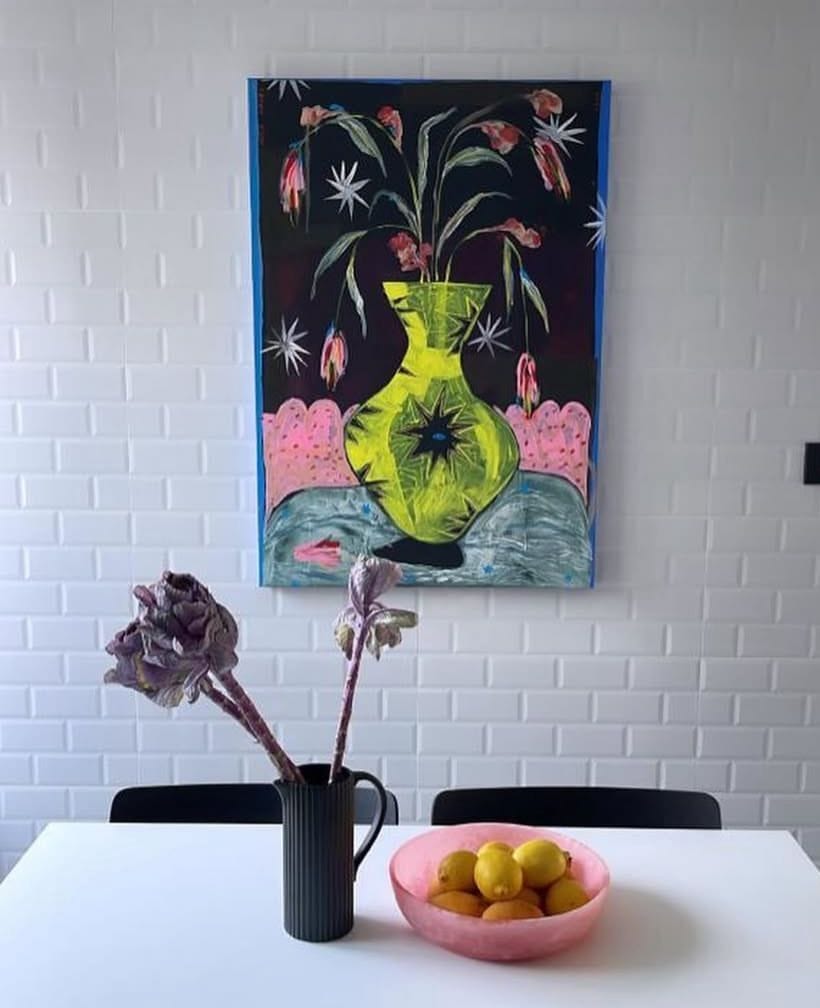
Sometimes, all it takes is one color to shift how you feel completely, and that’s exactly what Naila Marei’s work taps into. Her paintings have a way of holding up a mirror to your emotions, almost like sitting across from a therapist without saying a word. Through her instinctive use of color, she creates pieces that don’t just fill a space, they shape its mood. Each palette feels intentional, chosen not just for beauty but for what it stirs within you. Her art invites you to think beyond the literal, to imagine more than what’s in front of you. And in a world that can feel too sharp, too real, sometimes that little escape into a painting is exactly what we need. Discover her work here.
Speaking to Egyptian Streets, Naila Marei shared more about her cultural picks and work below:
What routines or rituals help spark your creativity?
I actually really struggle with routines, rituals and hence finding the creative momentum..most of the time Im actually really out of the flow! But Im slowly learning that the more organized I feel, the easier it is for me to tap into the creative mode. So what I usually would do, is make sure I feel my life is in order, my day is in order, my things are in order…to be able to step away from “life” calmly and find that pocket of magic. Silencing the chaos you can call it. Nature is usually the quickest way to do that.
How did you come to develop your unique artistic style?
Developing my artistic style has been organic and intuitive for sure. I think I have always been drawn to people, human states and objects that matter - so just drawing that kind of stuff all the time, kind of created itself.
Are there particular emotions that guide or influence you while painting?
The emotion I use most while painting is curiosity. I love to put myself in a state of questioning, rule-breaking and thinking outside the box. That curiosity of asking the deeper questions and giving my existentialism a voice, gives my hand a reason to move. It’s the only time and place where all that remains muted is finally allowed to expose itself.
Is there a project that holds special meaning for you, and why does it stand out?
The most special project I worked on was “The Agami Series”, which I exhibited in a group show at Gypsum art gallery. It was the first time I drew based solely on memory and went really deep into the past and what nostalgia looked like to me. It was a very emotional body of work since it spoke about the happiest days of my childhood which were no longer at arms reach. This series was also quite special since it was the first time I drew spaces & places, rather than people which was all I had drawn up until then.
Feature
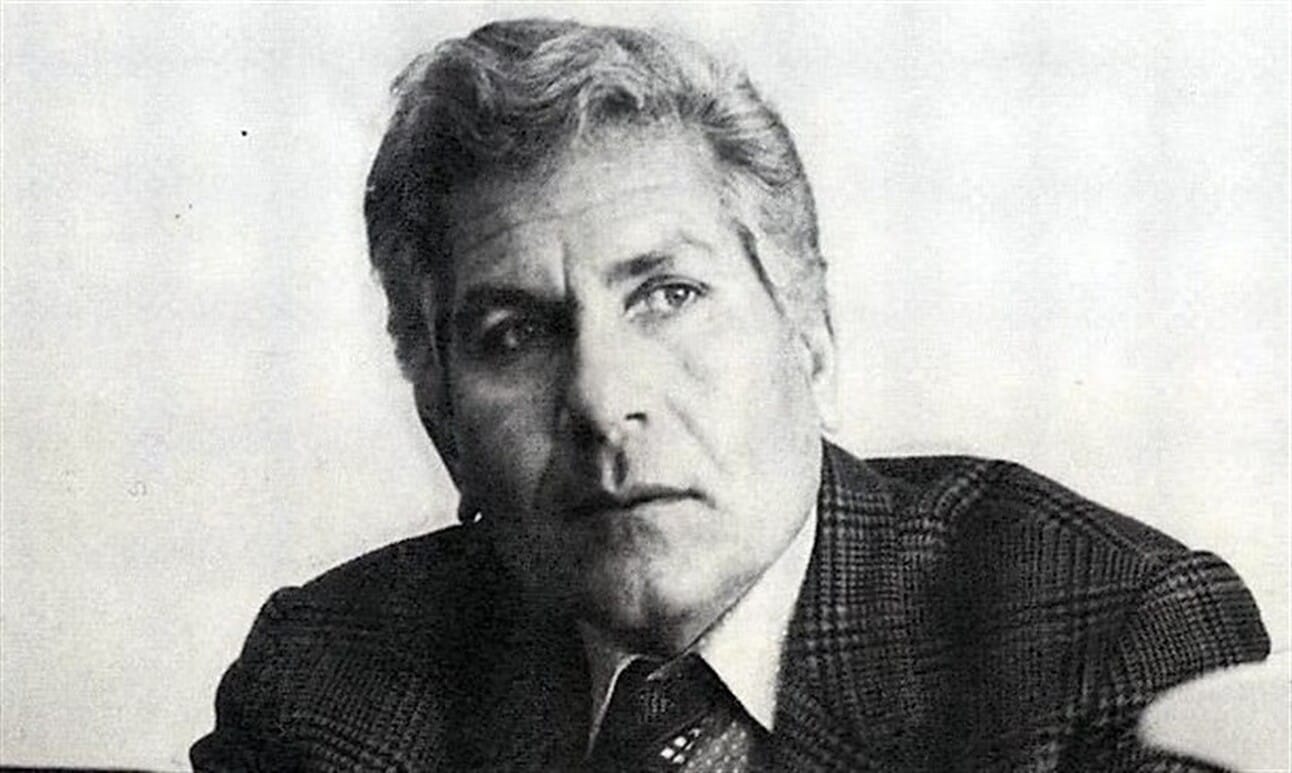
Expressions of Hardship
Egyptian storytelling stretches back to ancient hieroglyphs, and expression is deeply integrated into the culture. In the 19th and early 20th centuries, during the Nahda (Egyptian renaissance), writers began experimenting with short fiction heavily influenced by Western forms, but reshaped through Egyptian lenses. By the 1920s–1930s, literary circles like Al‑Madrasa al‑Ḥadītha embraced short stories in vernacular Arabic that reflected everyday Egyptian life.
For instance, Yusuf Idris wrote allegories like “The Cheapest Nights,” portraying characters burdened by poverty, colonization, and escapist despair. Yahya Haqqi also depicted a paralyzed society under colonial sway, evoking widespread hopelessness and a sense of collective decline. Women writers like Najiba al‑Aasal and Suhayr al‑Qalamawi spotlighted gendered struggles, such as early marriage, patriarchal norms, economic hardship, and societal silencing.

The Laughter Dilemma
Egyptians have a gift for laughing through the hardest moments; it’s how many of us cope with everything from rising prices to daily frustrations. But as literature professor Ali Abd Rabbo points out, cracking jokes about serious issues isn’t the same as solving them. Humor is a big part of who we are, it helps us stay strong, stay connected, but when the jokes never stop, they can sometimes distract us from what really needs fixing. Maybe the real challenge is learning when to lean into laughter, and when to pause, look inward, and start taking things seriously. It's all about balance, knowing when a joke heals, and when action is what’s really needed.
What to Read

The Essential Yusuf Idris
Set in Cairo during January 1952, on the brink of revolution, City of Love and Ashes follows Hamza, a young, radical idealist, and Fawziya, who shares his vision. As they navigate love and resistance amid British occupation and corrupt monarchy, the novel explores the tension between personal passion and national duty. Authors like Yusuf Idris pioneered devoted storytelling that was both artful and socially engaged. Even in his novel-length work here, his short story roots are evident, which were tight, emotionally charged, and unflinchingly honest.
What to Listen To
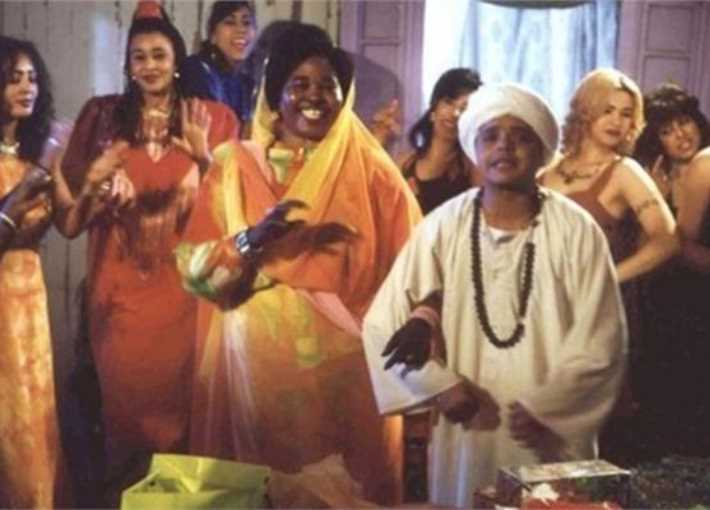
Chocolate (from the film Sa'idi in the American University)
If you’re feeling down and need a quick laugh, "Chocolate" from Sa'idi in the American University is the song to play. Sung by Mohamed Henedy in one of the film’s funniest scenes, it’s full of silly lyrics and playful energy. It’s light, catchy, and sure to lift your mood in seconds.


What to Watch

Al Motazawegoon
Al Motazawegoon (1976) might seem like just a funny play, but it’s actually saying a lot more. It tells the story of a young couple trying to build a life together while dealing with everyday struggles, like not having enough money, different backgrounds, and the stress of just getting by. What makes it so special is how it uses humor to talk about real problems. Egyptians are great at laughing through tough times, and this play captures that perfectly. It’s about how we cope, joke, and keep going.

Tale of the Three Jewels
Set in Gaza in the 1990s, this film follows a young Palestinian boy, Yusef, who becomes captivated by a mysterious Gypsy girl and the dreamlike world she creates amid the harsh reality around them. As the two children explore nature, mysticism, and the uncertain future that awaits them, they also learn to live with the violence and fear that surrounds their everyday lives. Yusef’s family is barely getting by, his father is in prison, his brother is on the run, and the weight of survival hangs over them all.
But this story goes beyond politics or conflict; it’s a deeply human look at the emotions, hopes, and quiet resilience of Palestinians. It reminds us to see the people behind the headlines, not just as numbers or news, but as individuals with dreams, fears, and stories worth telling.
What to Eat

The Korean Fast Food Spot Everyone’s Talking About
If you're craving something fresh and fun, Kimchik is your go-to spot. It’s all about Korean-style fast food, including crispy fried chicken, flavorful dumplings, and those addictive K‑pop snacks that everyone’s buzzing about. It’s casual, speedy, and packed with punchy flavors that feel just right for a quick, satisfying bite.
What to Visit

Sohba Semsemeya
The semsemia, once a powerful tool of anti-colonial expression, carries with it the rhythms of resistance and resilience, its strings echoing the spirit of the Suez region’s people. This traditional instrument, rooted in Port Said’s working-class and fishing communities, was used to voice protest, pride, and everyday struggle through song. Starting July 11, Rawabet Art Space will bring this heritage to life with a vibrant musical and singing show celebrating semsemia arts and Port-Saidi bambutiya dances, a lively tribute to Egypt’s cultural memory and coastal soul.

What happens to us when we are no longer a possibility?
From June 22 to July 10, 2025, Medrar’s gallery in Garden City will host “What happens to us when we are no longer a possibility?”, a thought-provoking duo exhibition by Osama Ehab and Islam Allam. The show invites you into a world where the boundaries between mechanical breakdowns and human fragility start to blur. Ehab’s pieces, prints on paper and fabric, lay out the tension between people and the invisible machinery of daily life, asking what happens when attempts at repair are never quite complete.
Saudi Spotlight
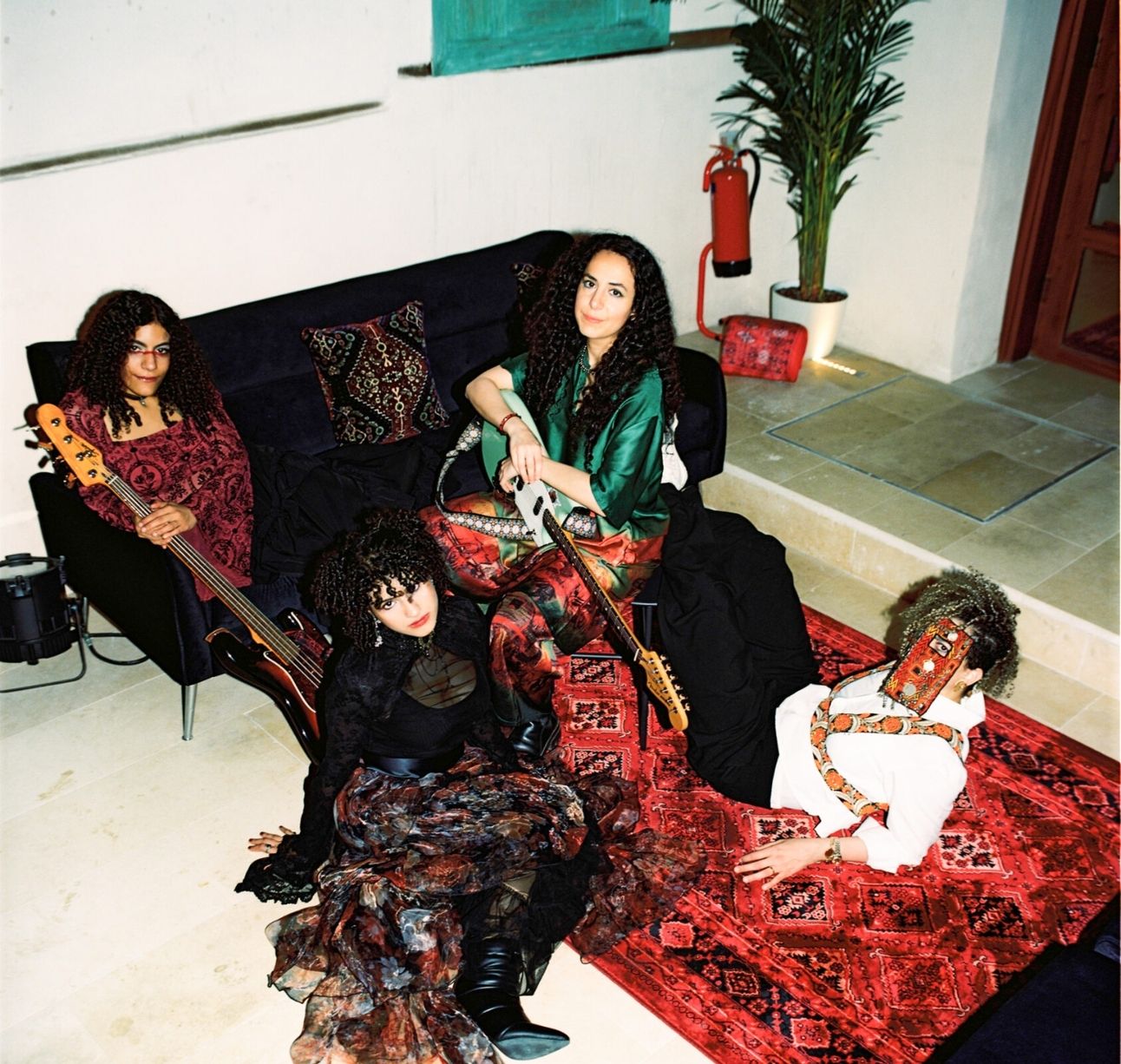
The All-Women Saudi Band Breaking Stereotypes
Seera is a four-member psychedelic rock band formed in 2023, and their performances, featuring raw vocals, pounding drums, rumbling bass, and electrifying guitar riffs, would have been nearly unthinkable in Saudi Arabia just a few years ago. Singing in the Saudi dialect and weaving in traditional melodies, they blend Arabic heritage with modern psychedelia, drawing influences from Tame Impala and Altın Gün. The band wants to be a voice for young women, encouraging them to embrace music as self-expression.