- Culture Corner
- Posts
- The Gentle Fire of Feminist Poetry
The Gentle Fire of Feminist Poetry

Mirna Abdulaal
September 10, 2025 • Reading Time: 12 minutes

This is our culture corner. Your weekly Egyptian cultural compass.

Hey there,
We hope you’ve been staying grounded as the year winds down and that you’ve managed to hold on to some energy to keep pushing forward. Staying focused can feel especially tough with the holidays right around the corner. But hold steady; sometimes the final stretch is where everything comes together.
And as we talk about winding down, few things resonate quite like poetry, especially the kind written by women who lived in a time when there was space to pause, reflect, and resist. Their words weren’t crafted for social media or the pursuit of fame; they were born from the gentle fire of the heart and the unshakable strength of the mind.
These women wrote because they recognized a voice within, one that sought a different kind of power, not the power to control, but the power to uplift, to fight for others, and to carve meaning into the world.
We hope you enjoy reading!
Warm regards,
Mirna Abdulaal
The time and effort behind this newsletter come from the Egyptian Streets team of independent, grassroots journalists. By subscribing for just USD 1.66 per month (EGP 80), or as little as USD 0.84 per month (EGP 40) for students (paid annually), you’re directly supporting the creation of content like this and helping sustain independent media in Egypt.
Support our work and subscribe by clicking here.
Spotlight

Meet Elias Khalil
Throughout history, women have been among the most depicted figures in art, often celebrated as some of the greatest creations of beauty. Many artists have found their muse in the grace of a woman’s presence, drawn to her features and allure. In Elias Khalil’s paintings, however, we encounter a different interpretation of feminine beauty—one that moves beyond appearances to capture the tenderness and emotions within. It is a quiet flame, soft yet radiant, that embodies the strength and inspiration found in simply being a woman. Discover his work here.
Speaking to Egyptian Streets, Elias shared more about his cultural picks and work below:
What routines or rituals help spark your creativity?
Quiet mornings with my coffee, sketchbook doodles, and my music.
How did you come to develop your unique artistic style?
Trial, error, experimenting new techniques and leaning into what felt right.
Are there particular emotions that guide or influence you while painting?
I’m often influenced by a mix of emotions, especially nostalgia and tension. They help me tap into something more real when I’m creating.
Is there a project that holds special meaning for you, and why does it stand out?
I made one during a difficult time, and it felt honest, while the other I created in Istanbul two years ago.
Feature
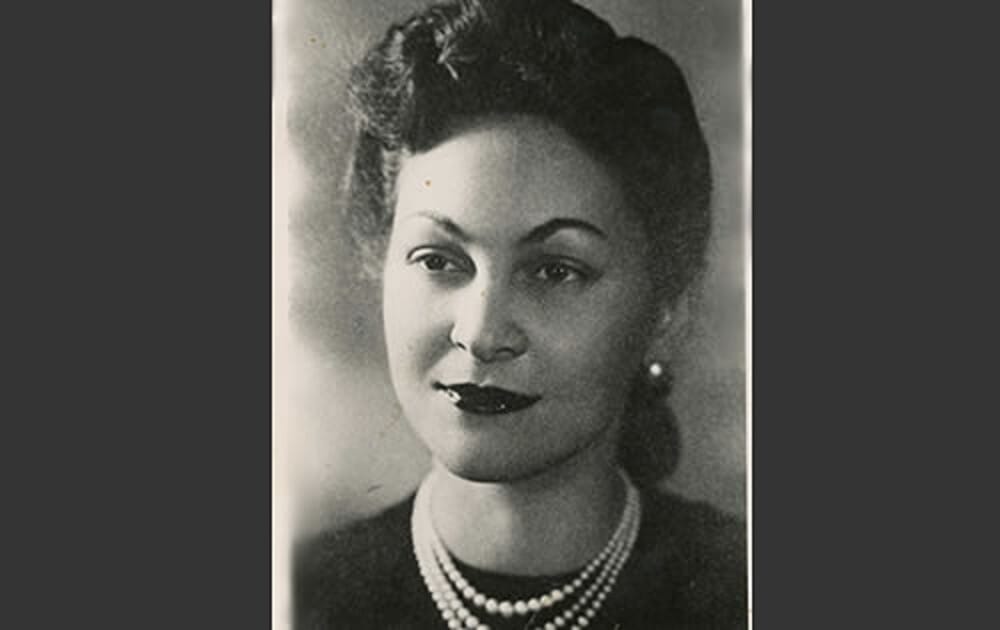
To Want and To Dare
Doria Shafik was not only a leading feminist, but also a poet whose verses carried both personal vulnerability and powerful defiance. Her poetry revealed the delicate balance between the inner world of the heart and the outer fight for justice.
In poems like Unburdened, she shows her heart as fragile and transparent, while in The Awakening she ties her own identity to Egypt’s, declaring that a woman’s will can rise above the law. With symbols like the Sphinx in To Want and to Dare, she challenges fear and asserts the courage to dream, and in Solitude, she turns poetry itself into a place of refuge and resilience.
She wrote from a place of sincerity and imagination, using her voice to fight for freedom, for women, and for love.
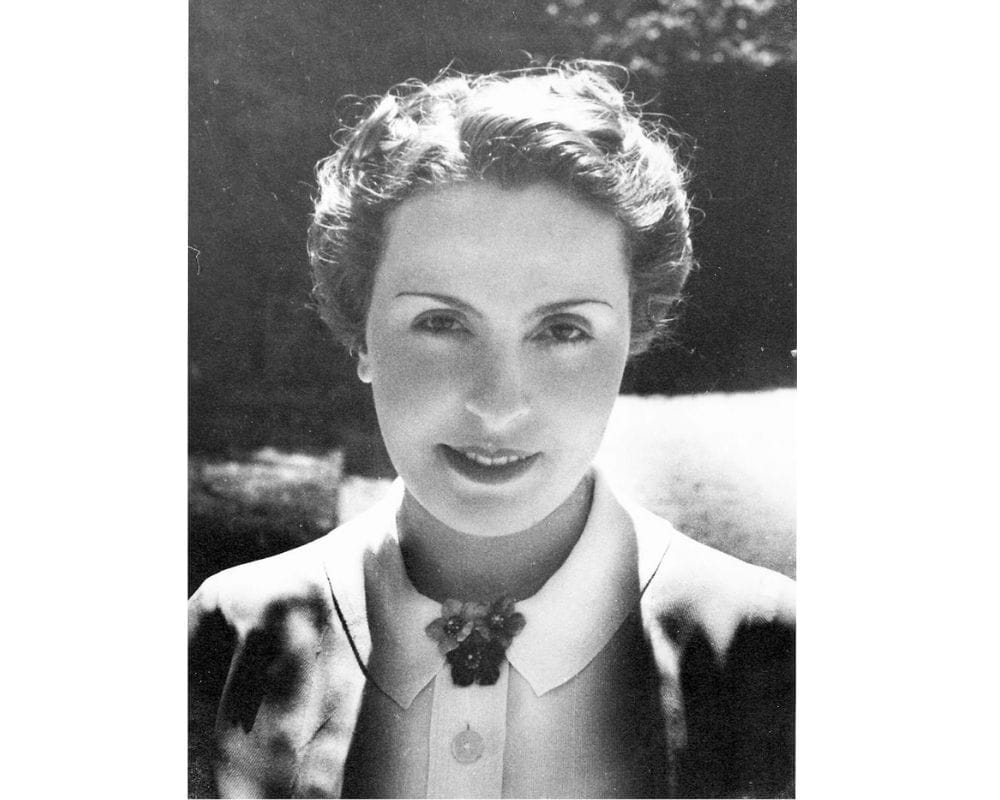
Stanzas of Defiance
Egyptian women have long used poetry as both a refuge and a form of resistance. From the 19th century until today, their verses have carried the weight of personal longing and collective struggle.
The poets highlighted, such as Aisha Taymur, Gamila El Alaily, Celine Axelos, Joyce Mansour, and Sabrina Mahfouz, reflect a different moment in each of their time, yet all share a refusal to remain invisible. Taymur mourned and remembered through deeply spiritual verse, while El Alaily pushed modernist boundaries with bold explorations of love and philosophy. Others, like Mansour and Mahfouz, challenged form and subject matter, giving voice to women’s desires, bodies, and silenced truths.
In their words we find tenderness and rebellion, solitude and solidarity. Poetry, especially in the hands of women, has always been a force that transforms both the self and the world.
What to Read

A Woman Apart
There is only so much a person truly needs, yet so many of us walk through life driven by the desire to want, to have, to dare. Doria Shafik embodied this hunger like no other; she wanted more, dared more, and desired more, even when her ambitions seemed illogical, even reckless. Women who dared to be more—too passionate, too driven—have often been labeled as “crazy,” but Shafik surpassed even that: she was always “too much,” always outspoken, and alive in her own truth.
Drawing from this book, we see this spirit vividly captured. Shafik emerged in the mid-twentieth century as a bold, gifted figure who shattered societal, cultural, and legal walls to claim equality for women. She founded the Daughters of the Nile Union in 1948, transforming women’s activism through literacy programs, job services, and political consciousness that spanned Egypt’s social spectrum.
Her influence extended through the pages of two powerful magazines, one in French, La Femme Nouvelle, and the other in Arabic, Bint al-Nil. These were more than publications: they were vehicles of change. They spoke to women across classes, challenging oppressive norms and demanding clarity, justice, and representation.
Even in forced seclusion, she remained creative, writing poetry and memoirs that remained hidden yet vital, illuminating the inner life of a woman who would always want, dare, and rise.
What to Listen to
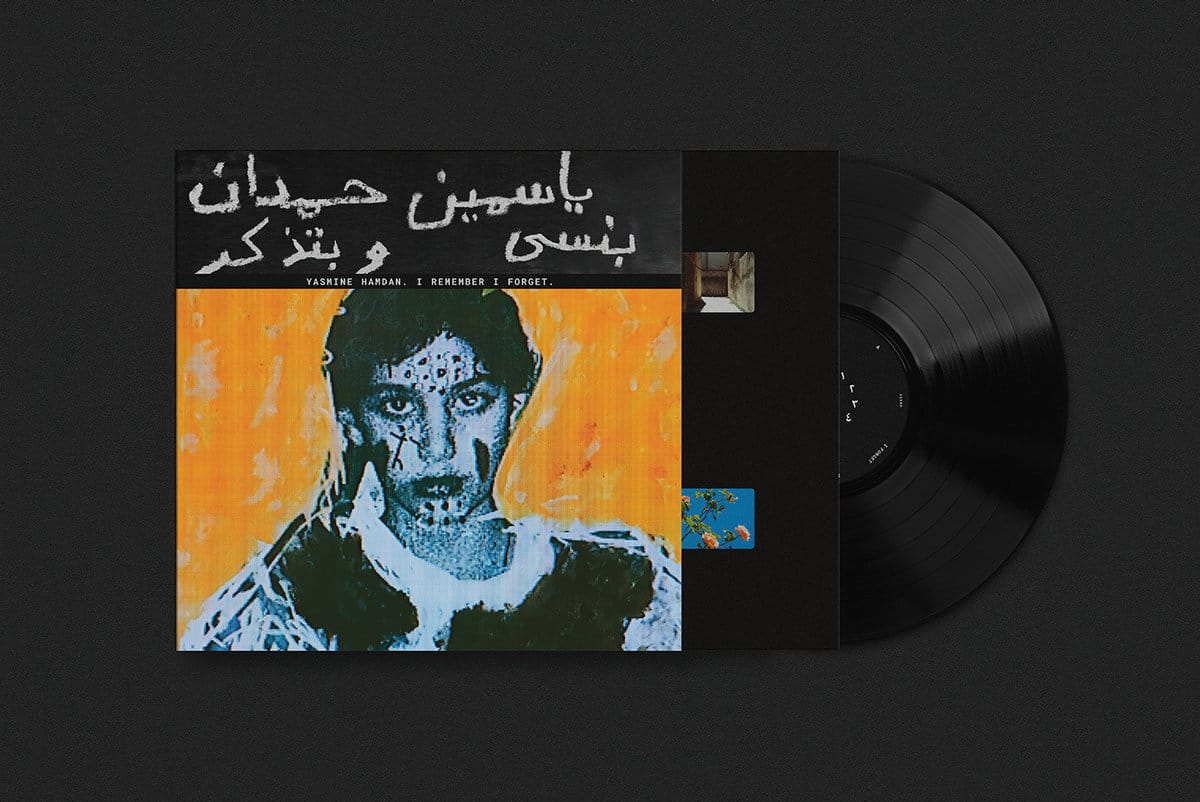
I Remember I Forget
Yasmine Hamdan is a Lebanese artist who explores memory, exile, and distance. Her work often feels both personal and political, shaped by the experience of displacement and the mixed freedoms of living abroad. Her song “I Remember I Forget” (ينسى وبتذكر) reflects on remembering and forgetting the homeland. The video combines animation and live action, following a pixelated character through different scenes, from war to family vacations, showing how memory shifts between pain and tenderness.
What to Watch


Hobal
In the aftermath of the Second Gulf War, Hobal tells the story of a Bedouin family led by the grandfather, Liam, who believes that recent signs mark the end of days. Retreating into the desert, he chooses a life of total isolation for his family. But when his granddaughter Refa falls ill with a contagious disease, her mother Sarra is forced to defy his rules in order to save her daughter. With the help of Assaf, a young boy who fears losing Refa, Sarra’s decision becomes a test of survival, belief, and love.
Hobal comes at a time when Saudi cinema is rapidly expanding. The country’s film scene is beginning to offer a wide range of fascinating stories that reflect on transformation in the region, which look closely at tradition, change, and the struggles that shape human lives.
What to Eat

Kroissant
Have you ever woken up and thought, wow, nothing would hit the spot right now like a perfectly warm, golden, crunchy croissant with a cup of coffee? Kroissant is giving the classic croissant a bold new identity, transforming it from a simple pastry into a full-day dining experience. At this New Cairo spot, the flaky favorite is reinvented with creative twists that balance comfort and surprise. From rich, filling options to lighter bites, every dish celebrates the croissant in an unexpected way—and always finds its best match alongside a freshly brewed coffee.
What to Visit
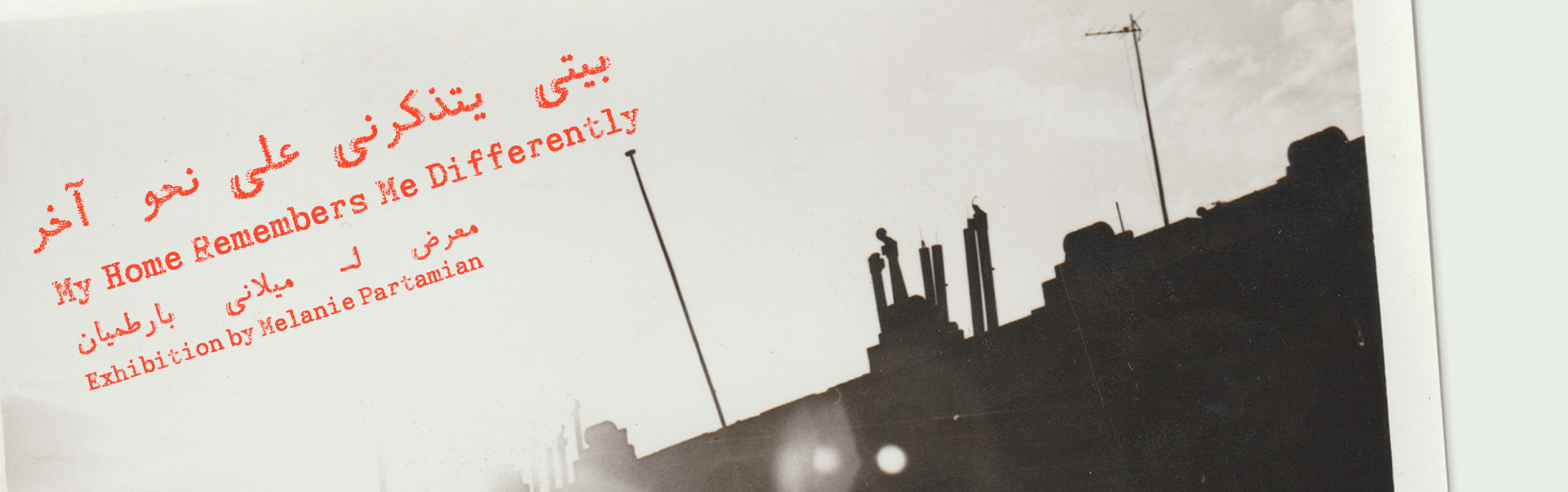
My Home Remembers Me Differently
In this exhibition, Melanie Partamian reflects on her family’s history of displacement, from Greece, Syria, and Armenia to Egypt, shaped by war and genocide. For her, home is formed through memory, loss, and the act of rebuilding.
The exhibition combines broken-down household objects with family stories to explore how identity and belonging are pieced together. Familiar items are reimagined and placed in new contexts, showing how everyday spaces carry both personal and collective histories.

No Instructions Given
What becomes of the hand when it has no clear role to play? In this exhibition, Rodeina Fouad explores the hand beyond its usual tasks, turning it into something unfamiliar yet expressive. Everyday movements are taken out of context and placed in new settings, allowing the hand to act on memory and instinct rather than purpose.
Saudi Spotlight

Aseer’s Mountain Villages
This mountainous region stands as Saudi Arabia’s best summer secret; a place where cool breezes meet rich heritage and creative energy. Whether you're seeking high-altitude tranquility, cultural discovery, or artistic inspiration, Aseer’s villages offer a refreshing alternative to the heat and a chance to slow down and truly connect.