- Culture Corner
- Posts
- Is Being Healthy in Egypt Difficult?
Is Being Healthy in Egypt Difficult?

Mirna Abdulaal
August 27, 2025 • Reading Time: 14 minutes

This is our culture corner. Your weekly Egyptian cultural compass.

Hey there,
We got your messages! We've been looking through your replies to our last newsletter and we're featuring your top picks this week, just for you.
This week, we’re wondering what does “being healthy” even mean these days, and does that ideal feel out of reach when you're living in Egypt?
Fitness culture is definitely on the rise, but let's peel back the hype of "healthy living." Are we really pursuing wellness, or is it just a performance?
Modern health can sometimes feel like a vanity show, a competition driven by likes, gadgets, and expensive workout gear. But here in Egypt, the challenges are different and more complex. They're sometimes structural, cultural, or even colonial, yet they still push us toward extremes: from supplements to endless moralizing about diets that ignore economic realities.
Is healthy living a privilege? A performance? Or can it be a simple, joyful part of everyday life? Let’s explore whether being healthy in Egypt is truly hard, or if we’ve just made it harder than it needs to be.
We hope you enjoy the read, and have a wonderful weekend!
Warm regards,
Mirna Abdulaal
The time and effort behind this newsletter come from the Egyptian Streets team of independent, grassroots journalists. By subscribing for just USD 1.66 per month (EGP 80), or as little as USD 0.84 per month (EGP 40) for students (paid annually), you’re directly supporting the creation of content like this and helping sustain independent media in Egypt.
Support our work and subscribe by clicking here.
Spotlight

Meet Omar Ayman
Every one of Omar Ayman’s designs feels like it has its own character; its own voice, mood, and attitude. From neon pink to electric blue, he builds personalities. His approach to design is about drawing out the character of a mood —the humor, the coolness, the grit—and giving it new life in digital form. What makes his work also stand out is how he lets his design speak, almost like its a person with its own quirks and style Discover his work here.
Speaking to Egyptian Streets, Omar shared more about his cultural picks and work below:
What routines or rituals help spark your creativity?
My creative process starts by getting into character. I first think deeply about a story or a subject, trying to understand the people and feelings involved. Then, I bring that story to life in my designs as if it were a scene on a stage. I use bright, bold colors and a lively layout to show the energy of that moment, making the whole idea feel exciting and full of life.
How did you come to develop your unique artistic style?
My unique style comes from combining my old passions. My time in school theater taught me how to truly understand stories and the people in them. I took that realistic way of thinking and mixed it with a fun, abstract way of designing. My work is all about this contrast: I take a real-life idea and make it look completely different and eye-catching by using strong colors and a unique visual style.
Are there particular emotions that guide or influence you while painting?
The main emotion that guides me is curiosity. I'm often influenced by moments in everyday life that make me pause and think, "Why is this the way it is?" or "What if I looked at this differently?" This curiosity is the spark that starts the creative process. My goal is to capture that moment of contemplation and turn it into a visual story that makes the viewer feel the same way, prompting them to see a familiar situation from a new, unexpected perspective.
Are there Egyptian artists that have influenced you?
My work is a form of cultural storytelling that's deeply rooted in the Egyptian identity. I focus on capturing the unique slang, social traditions, and unspoken rules that define our society. By taking these authentic cultural elements and translating them into a modern, abstract visual style, I'm creating a new dialogue. My art celebrates the essence of being Egyptian, presenting its stories and energy in a fresh, unexpected way.
Is there a project that holds special meaning for you, and why does it stand out?
The "Sayeq El Owgan" project holds special meaning because it perfectly embodies my artistic philosophy. It's a complete story about a common Egyptian social situation—the chaos of the microbus—which I translated from a grounded reality into an abstract, exaggerated visual. This project proves that you can take an everyday, and sometimes annoying, experience and turn it into an enjoyable piece of art that makes you smile and think at the same time.
Feature
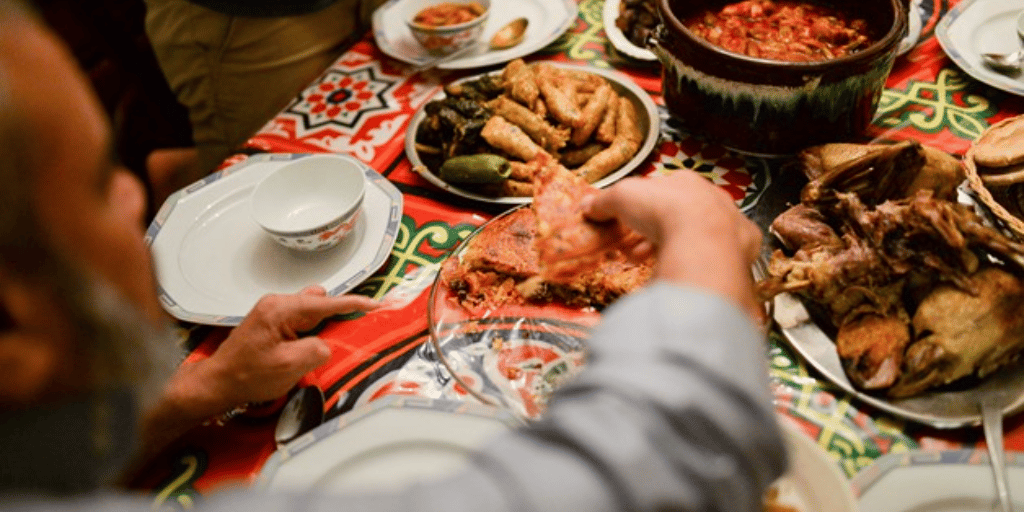
Is Fatphobia a Class Issue
Despite widespread condemnation of fatphobia globally, in Egypt it transcends mere aesthetic prejudice to become a mirror of entrenched class disparities. Obesity is often commonly portrayed as a moral failing, which is an echo of colonial-influenced stereotypes that link corpulence to laziness or low social standing.
Obesity statistics offer a complex paradox: nearly 40% of Egyptian adults are considered obese—the highest in the Arab world—yet food insecurity affects over 30 million people. For many low-income Egyptians, the only affordable sustenance comes from calorie-dense but nutrient-poor staples. As a result, undernourishment and obesity often coexist among the same population.
The urban environment exacerbates the issue further. Cairo’s privatized infrastructure and scarcity of walkable public spaces isolate residents from opportunities for physical activity, contributing to higher obesity rates in cities compared to rural areas.
Crucially, the roots of Egyptian fatphobia are traced back to colonial ideology—an enduring belief that Western, slender bodies exemplify morality and progress, while larger bodies suggest indulgence and moral deficiency. This belief persists in subtle and overt ways, from mandated diets for female television anchors in 2016 to body-shaming fitness ads targeting women’s shapes.
Ultimately, the article argues that framing weight as a matter of personal failure is not just misleading—it’s ethically troubling in a context where structural inequality determines both hunger and excess. Painting obesity as a moral lapse obscures the real problem: systemic economic and social failures that restrict access to nutritious food and equitable spaces for all.

Aromatherapy
The ancient Egyptians have always embraced scent as an essential form of self-care, one that bridged mind, body, and spirit. Even today, mummies on display in Cairo’s Egyptian Museum still release faint fragrances, from herbal sweetness to citrus and floral notes, attesting to perfume as both ritual and remedy.
Fast-forward to the present, and that fragrant heritage is being revived by Mystic Amber Aromatherapy, Egypt’s first luxury aromatherapy brand founded by Jumana Safar and her mother. Their pop-up in U Venues New Cairo invites visitors into immersive spaces inspired by ancient Egyptian beliefs in energy centers (akin to the seven chakras), reminding us that caring for oneself means engaging all the senses, especially our sense of smell.
Globally, fragrances are now the fastest-growing segment in beauty, outpacing skincare and makeup. Yet, while modern wellness often borrows from ancient rituals, it frequently overlooks their origins; Mystic Amber seeks to change that by grounding modern aromatherapy in Egyptian history and authenticity.
What to Read
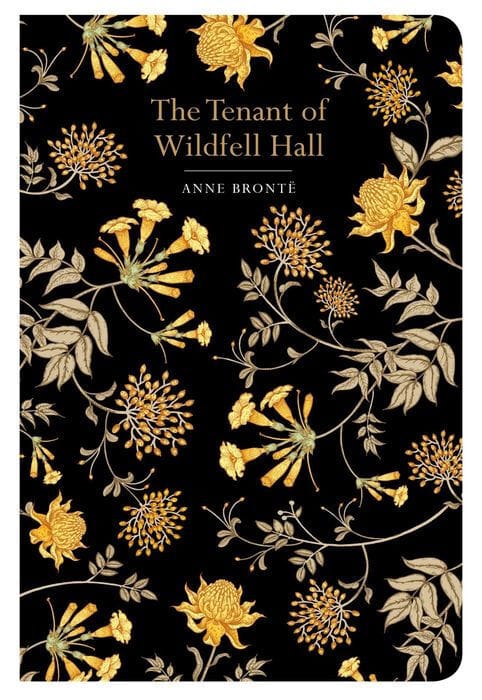
The Tenant of Wildfell Hall
We would like to extend a special thank you to Farida Sabet for her insightful book recommendations. We were especially delighted to see her mention a novel by the Brontë sisters, as it instantly brought back vivid college memories of reading Wuthering Heights by Emily Brontë and being haunted by the intense, tragic relationship between Heathcliff and Catherine. Farida’s recommendation has certainly put this book on our radar.
Even from a brief look at the blurb, it is clear that Anne Brontë is every bit as gifted as her sisters, each of whom had a remarkable talent for grappling with the darkest facets of human experience. This particular novel was controversial in its time, condemned by many for daring to expose the abusive male chauvinism that the Victorian era so often sought to repress, much like its treatment of anything sexual. Just as Anne herself was forced to publish under a male pseudonym in order to be taken seriously in a literary world that dismissed women writers, her protagonist Helen Graham, an abused wife, adopts a false identity to escape her suffering. She finds refuge in Wildfell Hall, described by the narrator as “the wildest and the loftiest eminence in our neighborhood.”
What to Listen to

Love Letters
Just four days ago, Saint Levant has expanded his widely praised EP Love Letters into a deluxe edition, featuring new tracks such as Do You Love Me, which features Fares Sokkar’s mahraganat flavor. The music video has caused quite the stir, which stars his partner Naika on a hot-pink motorcycle and dancing through neon-lit amusement parks. Have you listened to it yet?
What to Watch


The Price of the Game
In many African communities, children grow up dreaming of the wealth, glamour, and fame that come with becoming a professional soccer player. With limited resources and no proper training facilities, countless young talents practice with unshakable determination, clinging to the hope that one day a European scout might notice them and offer a pathway out of poverty and into the global spotlight.
Yet, behind the dream lies a harsher reality.This film, told through the voices of those who have lived it, pulls back the curtain on the side of soccer the media rarely shows. From former African players who founded Eurculturals to the coaches shaping today’s athletes, it reveals the complex intersections of money, sponsorships, fame, and media attention with poverty, exploitation, injustice, cultural barriers, and the ruthless politics of talent selection.
What to Drink

Yemeni Coffee
Yam, Egypt’s first Yemeni café in Zamalek, introduces Cairo to the heritage of Yemeni coffee. Grown high in Yemen’s mountains and dried in the cherry for weeks, the beans unlock flavors, ranging from dark chocolate to berries and spices, reviving centuries-old traditions and celebrates the artistry of Yemeni brewing.
What to Visit

She Arts
If you admire women artists and love to see them grow, the She Arts Festival 2025 is for you. From the stage to the screen and from creative motion to tangible art, this year's festival celebrates women in every corner of the arts. You'll experience a lineup of events, including music concerts, dance and theatrical performances, and film screenings. The festival also provides opportunities for artists to hone their craft through workshops and masterclasses, and showcases their talent in a music competition, a visual arts exhibit, and a handcrafts bazaar.

Marwan Moussa
Marwan Moussa is bringing the party to Solaya Beach in Ghazala Bay this Friday, August 29. He’s celebrating his new album with a beachside launch that promises all the good vibes, with live music, high energy, and a themed party that’s going to feel just right by the water.
Saudi Spotlight
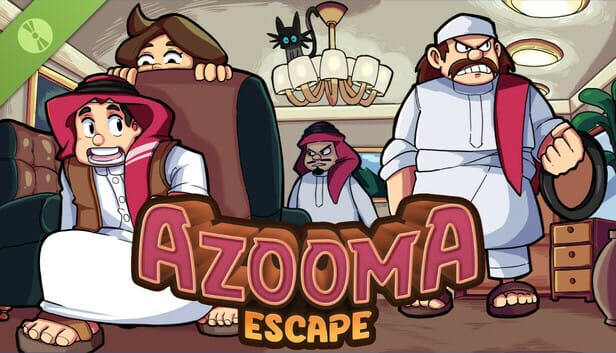
Azooma Escape
In late August 2025, Ash Games Studio, a rising Saudi developer backed by the NEOM-supported Level Up Accelerator and DigiPen, achieved a win with their game Azooma Escape climbing to #1 on Steam’s ‘Popular Upcoming’ global chart, marking the first time a Saudi-made game reached such heights. At its heart, Azooma Escape drops players into a bustling Saudi family festival, overflowing with overly hospitable relatives, trays of food, and expectant performers.
But the mission isn’t to stick around, it’s to sneak your way out before you're emotionally trapped. The game cleverly fuses fast-paced stealth mechanics with cultural humor: duck under tables, dash through courtyards, and deploy flying teacups as your tools of liberation. The playful use of traditional elements in gameplay—paired with a rich, hyper-local setting—makes the experience feel both familiar to seasoned stealth fans and refreshingly original.